

Blog
How to Select the Right MBBR Media for Wastewater Treatment Systems
Moving Bed Biofilm Reactor (MBBR) technology has become one of the most widely adopted biological wastewater treatment processes worldwide. At the heart of every MBBR system lies the biofilm carrier media, which provides the surface area required for microorganisms to grow and remove pollutants efficiently.
Selecting the right MBBR media is critical for achieving stable treatment performance, maximizing biological activity, and minimizing operating costs.
What is MBBR Media?
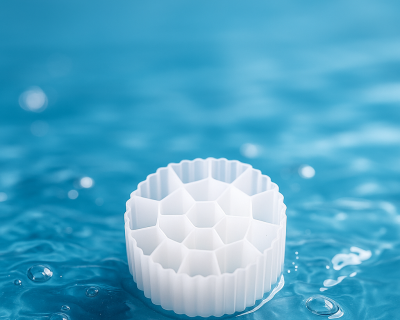
MBBR media, also known as biofilm carriers, are specially designed plastic elements that move freely within the reactor. These carriers provide a protected surface where microorganisms attach and form biofilms.
Unlike conventional activated sludge systems, MBBR technology retains biomass directly on the media surface, allowing higher treatment capacity and improved process stability.
Key Factors When Selecting MBBR Media
1. Specific Surface Area
The specific surface area is one of the most important parameters when selecting MBBR media. It determines the amount of biological growth that can be supported within a given reactor volume.
Higher surface areas generally allow greater biomass retention and improved treatment efficiency. However, the effective protected surface area is often more important than the total geometric surface area.
2. Carrier Fill Ratio
The fill ratio refers to the percentage of reactor volume occupied by carrier media.
Typical fill ratios include:
- 30%–40% for carbon removal
- 40%–60% for nitrification
- Up to 70% in specialized applications
Selecting the appropriate fill ratio helps balance treatment performance, mixing efficiency, and oxygen transfer.
3. Media Density
MBBR carriers are typically manufactured with densities close to water, allowing them to remain suspended with minimal aeration energy.
A properly designed carrier should provide excellent movement while avoiding excessive wear or dead zones within the reactor.
4. Durability and Material Quality
High-quality MBBR media are commonly manufactured from virgin HDPE or PP materials. These materials offer:
- Long service life
- Chemical resistance
- Mechanical durability
- Stable biological performance
Investing in durable media reduces replacement frequency and lifecycle costs.
Importance of Protected Surface Area
Many engineers focus solely on total surface area values. However, the protected surface area is often the determining factor for long-term biological performance.
Protected surfaces shield biofilm from excessive shear forces while maintaining sufficient mass transfer. This allows stable microbial growth and improved treatment efficiency.
Applications of MBBR Media
MBBR media are widely used in:
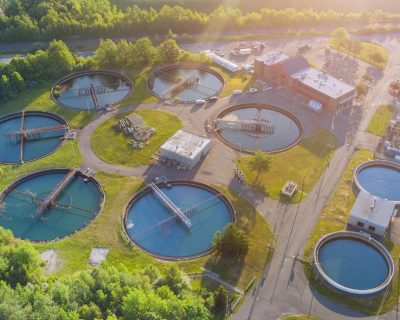
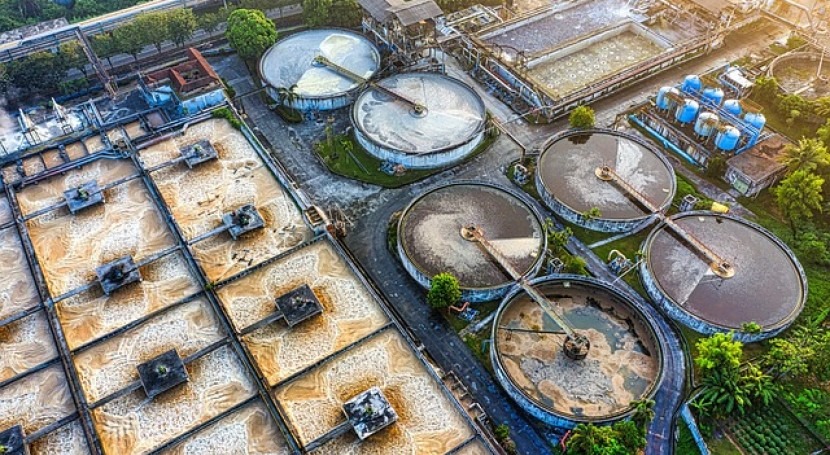
- Municipal wastewater treatment plants
- Industrial wastewater treatment
- Food and beverage facilities
- Pulp and paper industries
- Aquaculture systems
- Retrofit projects for existing treatment plants
Their flexibility makes them suitable for both new installations and plant upgrades.
Choosing the Best MBBR Media
When evaluating MBBR carrier options, engineers should consider:
- Effective protected surface area
- Media geometry
- Fill ratio requirements
- Aeration efficiency
- Material quality
- Long-term operational reliability
A well-designed MBBR media can significantly improve treatment performance while reducing operating costs and reactor footprint.
Conclusion
The success of an MBBR system depends heavily on selecting the right biofilm carrier media. Understanding factors such as surface area, fill ratio, media density, and durability allows engineers to optimize biological treatment performance and maximize project value.
Careful media selection not only improves treatment efficiency but also contributes to lower operating costs and more sustainable wastewater treatment operations.
info@enkegroup.com
+90 224 251 61 62