

Blog
MBBR Media vs Activated Sludge | Enke Group
MBBR media vs activated sludge is a choice many plant managers face. Both systems clean wastewater with bacteria. However, they work in very different ways.
MBBR Media vs Activated Sludge: The Core Difference
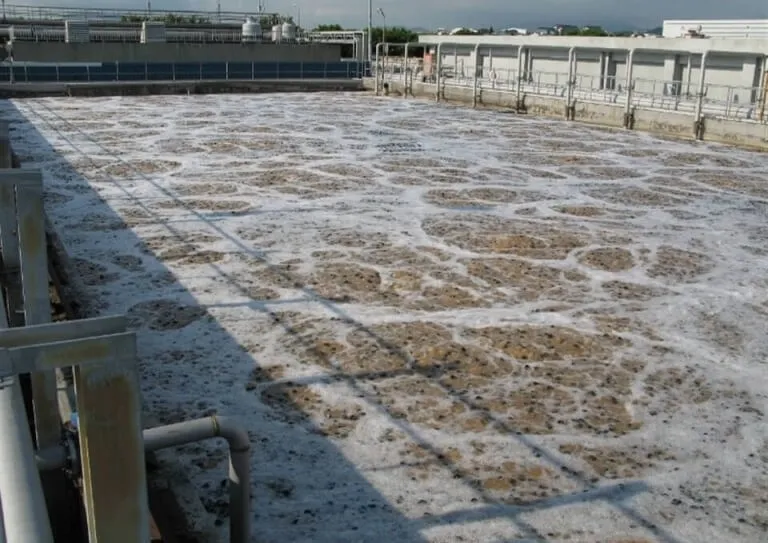
Activated sludge keeps bacteria floating in the tank. The plant must then settle the sludge and pump it back. As a result, the process needs a big tank and constant care.
MBBR media gives bacteria a surface to grow on. Each carrier holds a thin biofilm that stays inside the reactor. Therefore, the plant needs no sludge return.
How Carriers Handle Load Changes
Factory flows rarely stay steady. For example, a production change can double the organic load overnight. Activated sludge often struggles with these swings. In contrast, biofilm on carriers stays stable and recovers fast.
Moreover, the biofilm resists toxic shocks better. Bacteria deep in the film stay protected. Consequently, effluent quality stays steady.
Space, Energy and Upkeep
Activated sludge needs large tanks and clarifiers. MBBR carriers pack far more bacteria into the same volume. In fact, plants often need much less space with MBBR media.
Energy use also matters. Activated sludge plants must pump sludge all day. MBBR plants skip that step, so they usually spend less on pumping. Additionally, operators handle less sludge and spend less time on daily checks.
Operation is simpler too. Activated sludge needs careful control of sludge age and settling. MBBR needs far less adjustment. Therefore, small teams can run the plant with confidence.
Upgrades and Cost Savings
Upgrades are another strong point. You can add carriers to an existing aeration tank. As a result, you often avoid building new tanks. This saves both time and capital.
Cost matters to every plant owner. For instance, a smaller tank means less concrete and less land. Likewise, lower sludge handling means lower service bills. In short, MBBR media often pays back through savings over many years.
Start-up is quick as well. Bacteria colonize the carriers within a few weeks. Meanwhile, the plant keeps running during the upgrade. Thus, you lose little treatment time.
Why Choose Enke Group MBBR Media
Quality also shapes the bill. Cheap carriers wear down and lose shape. In turn, the plant must replace them early. Enke Group avoids this problem with solid material and careful molding.
- Virgin HDPE carriers for long life
- Chamber design that protects the biofilm from wear
- High surface area for more bacteria per cubic meter
- Easy installation in existing tanks
Our engineers also help with sizing. They check your flow, your load, and your tank volume. Then they suggest the right fill ratio for your plant.
When Activated Sludge Still Makes Sense
Large municipal plants with stable flow and plenty of land can still run activated sludge well. Even so, many of them add carriers later to gain capacity. For example, read our guide on MBBR retrofit to boost plant capacity.
Meanwhile, you can learn the basics of the activated sludge process on Wikipedia. Compare it with what you see at your own plant. Then decide which path fits your goals.
Do you want a clear comparison for your site? Contact Enke Group today. We will review your data and propose the best solution.