

Blog
MBBR in Cold Climates: Stay Reliable | Enke Group
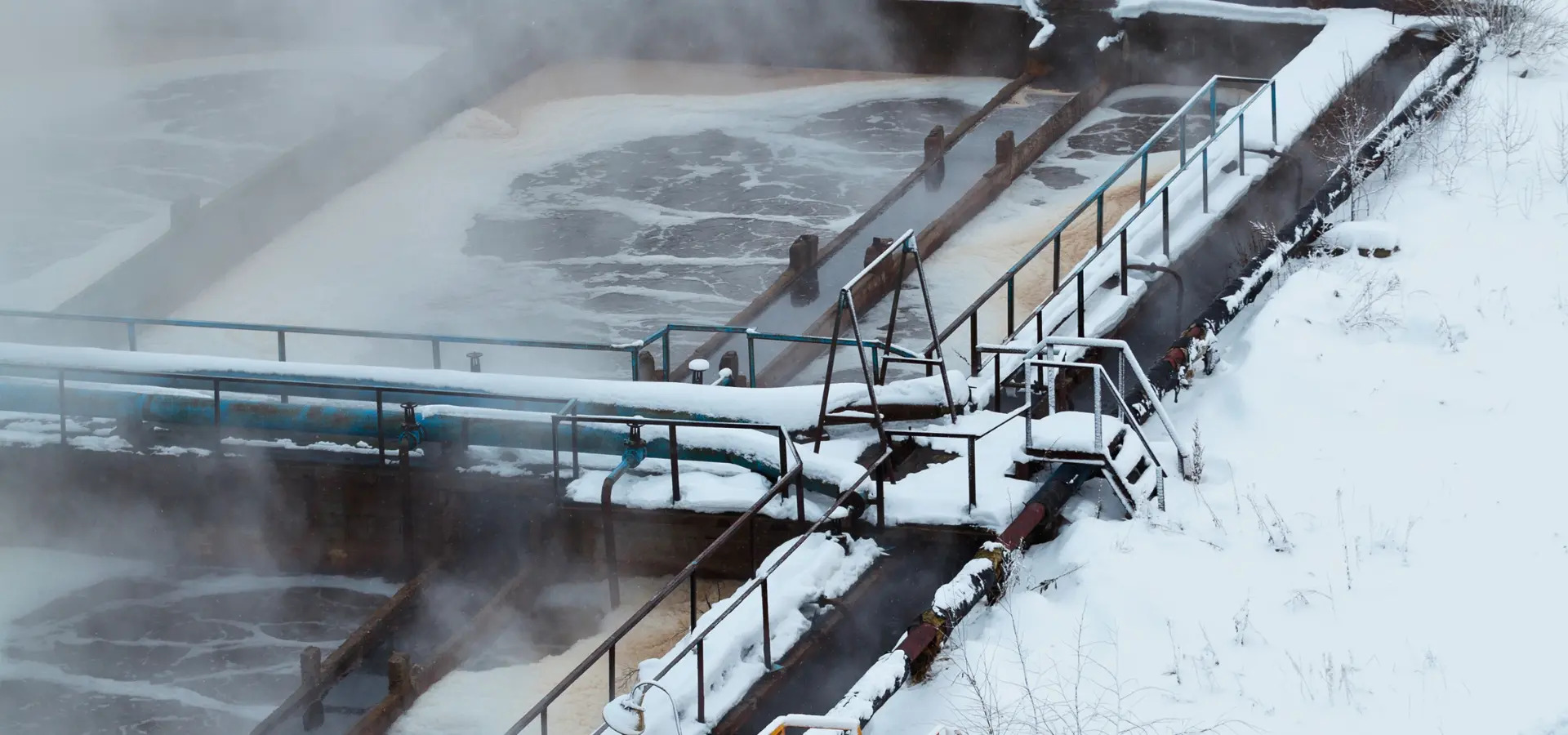
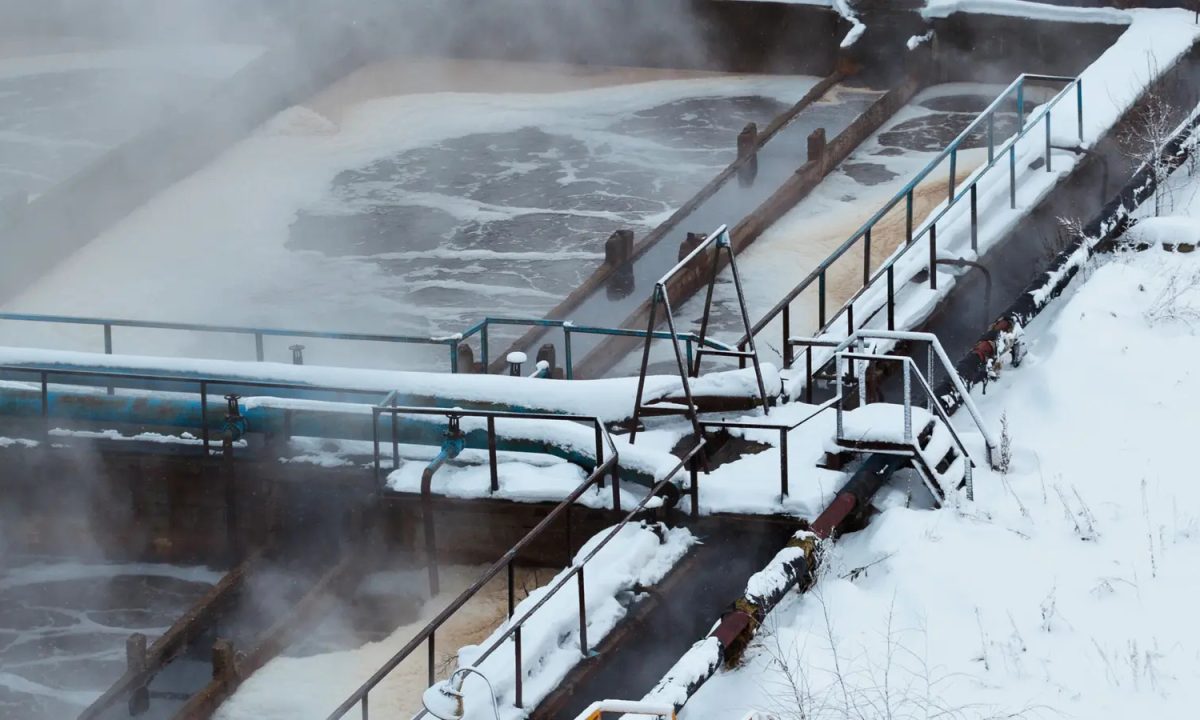
MBBR in cold climates is a real concern for many plant owners. Winter slows bacteria, and that can hurt your effluent quality. However, a well-designed moving bed system handles the cold far better than most people expect.
Enke Group supplies virgin HDPE biofilm carriers built for this challenge. In this post, we explain why they keep working when the water gets cold.
Why Cold Water Slows Treatment
Bacteria work more slowly as water cools. For example, nitrifiers lose much of their speed below 10°C. As a result, many plants see rising ammonia in winter. Therefore, designers must plan for the coldest month, not the average one.
Suspended growth plants face an extra problem. Cold weather also makes sludge settle poorly. In contrast, attached biofilm stays in the tank and does not wash out.
How MBBR in Cold Climates Stays Stable
A biofilm lives on the surface of the carrier. Because it clings to the media, the biomass cannot wash out. Consequently, you keep a stable bacteria population all winter.
The biofilm is also thick and layered. This layer shields the inner bacteria from sudden temperature swings. Moreover, it holds a large amount of biomass in a small tank.
Enke Group Media Features for Winter Operation
Our carriers use virgin HDPE, so they stay strong in freezing water. They do not crack or turn brittle in normal winter conditions. In addition, the protected inner chambers give the biofilm a safe home.
Surface area matters even more in the cold. More surface means more bacteria in the same volume. For that reason, high-surface-area media helps offset slower activity.
- Virgin HDPE: strong and stable in cold water.
- Protected chambers: shelter the biofilm from shear and shocks.
- High surface area: adds biomass to balance slower growth.
- Long service life: the carriers last through many winters.
Design Tips for Cold Regions
Sizing is the key step. First, base the design on the lowest expected water temperature. Then, add a safety margin to the fill ratio. For instance, a higher fill ratio gives you more surface area when the water is cold.
Mixing and aeration also need care. Cold water holds more oxygen, so aeration is often easier. However, you should still check that the media moves freely. Finally, cover or insulate tanks where freezing winds are common.
To see how attached growth compares with other methods, read our guide on MBBR media vs activated sludge. You can also read this overview of the moving bed biofilm reactor.
Talk to Enke Group
Planning a plant for a cold region? Our team can size the media for your lowest winter temperature. Contact Enke Group today for a consultation. We will help you choose a design that keeps your effluent clean all year.