

Blog
MBBR Media for Municipal Wastewater Treatment | Enke Group
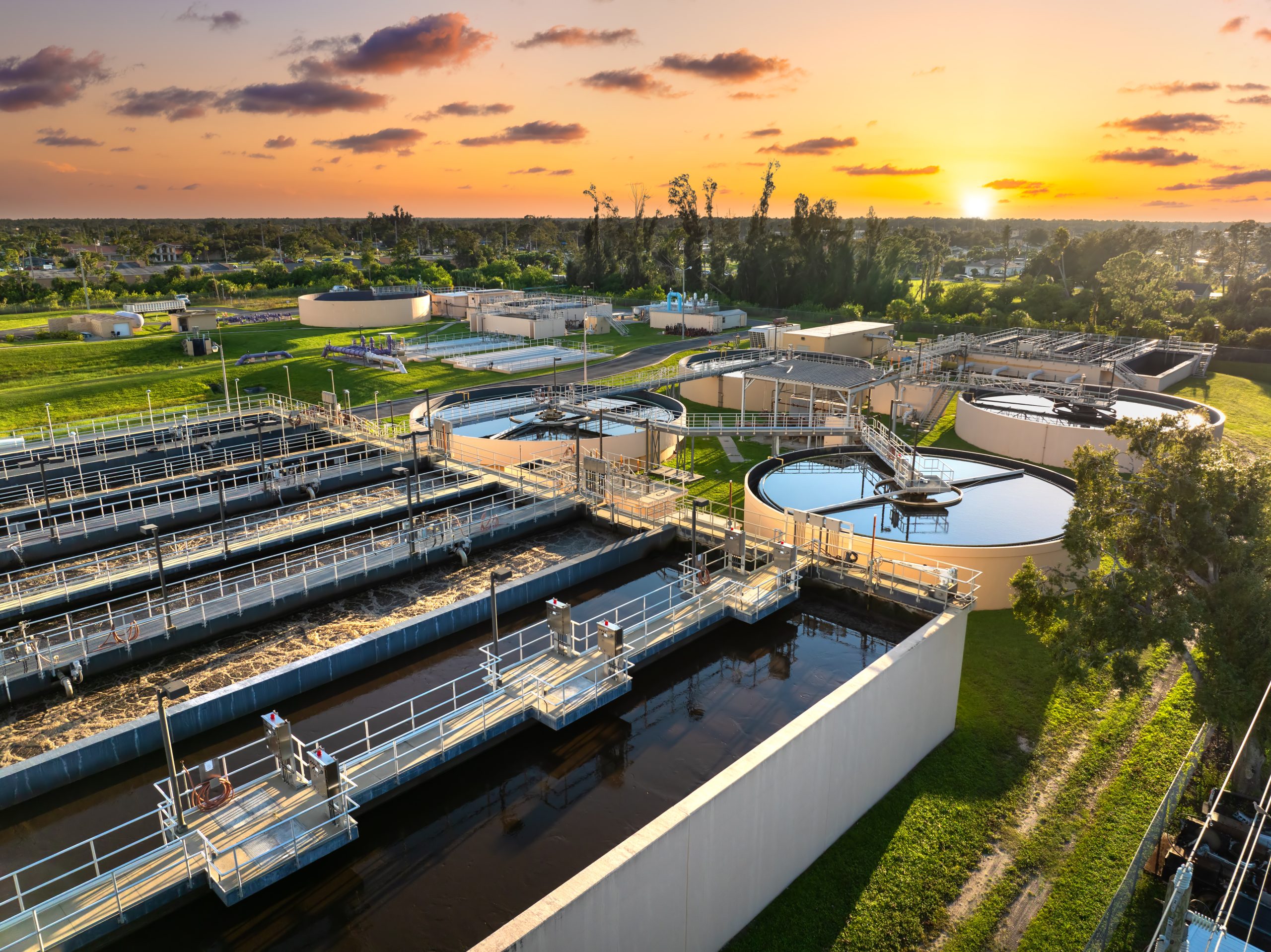
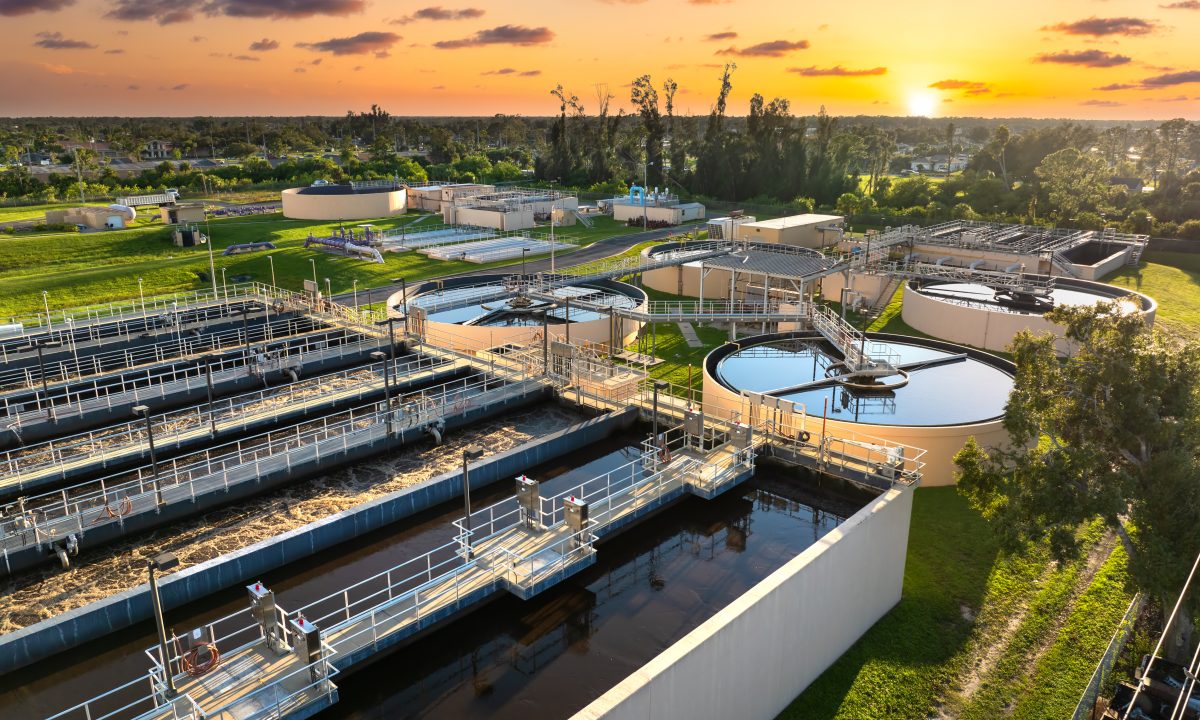
Municipal plants face a hard problem. Population grows, but tank space does not. MBBR media for municipal wastewater treatment solves this by adding biological capacity inside your existing tanks. As a result, plants can treat more flow without pouring new concrete.
Enke Group builds MBBR media specifically for this challenge. Our carriers are made from virgin HDPE, not recycled plastic. Therefore, they resist cracking, UV damage, and long-term wear in continuous operation.
Why Municipal Plants Choose MBBR Media
Traditional activated sludge systems struggle when a city grows. In turn, upgrading often means new basins, which cost time and money. MBBR media offers a simpler path. You drop the carriers into your current tanks, and biofilm does the rest.
Specifically, each carrier provides a protected surface for bacteria to grow. This biofilm handles the heavy lifting: breaking down organic waste and converting ammonia into safer compounds. Consequently, your plant gains treatment capacity without expanding its footprint.
For example, a plant facing seasonal population spikes can add media before a busy season. This keeps effluent quality stable, even when flow doubles.
What Makes Enke Group Media Different
Not all carriers perform the same way. Indeed, cheap media can float unevenly, break down early, or offer too little surface area. Enke Group avoids these problems with a proven design.
- Virgin HDPE construction for long service life
- High protected surface area for dense biofilm growth
- Consistent fluidization for even mixing across the tank
- Chamber geometry that resists clogging under high solids loads
These features matter most in municipal settings, where influent quality can shift daily. Additionally, our media holds up under the freeze-thaw cycles many municipal plants experience each year.
Nitrification and Capacity Gains
Ammonia limits are getting stricter across many regions. Municipal plants often need better nitrification without a full rebuild. MBBR media addresses this directly.
Because the biofilm stays attached to the carrier, it will not wash out during high-flow events. This is a key advantage over suspended-growth systems alone. As a result, nitrification stays stable even during storms or peak demand.
In fact, many plants use MBBR media as a hybrid step, adding it to an existing activated sludge basin. People sometimes call this approach IFAS. It boosts capacity while keeping your current infrastructure. For more on the underlying process, see this overview of moving bed biofilm reactor technology.
A Cost-Effective Path to More Capacity
New tanks are expensive. Existing plants often sit on limited land, too. Instead, MBBR media sidesteps both problems by working inside what you already have.
If your plant is already considering an upgrade, our MBBR media retrofit guide walks through the process step by step. Similarly, our team can review your current flow data and recommend the right fill ratio for your tanks.
Talk to Enke Group About Your Plant
Every municipal system is different. However, the goal is always the same: reliable treatment at a fair cost. Enke Group’s engineers can help you size the right MBBR media for your specific plant.
Contact Enke Group today to discuss your municipal wastewater treatment project. We will help you find the right carrier solution for lasting performance.