

Blog
Stainless Steel Mechanical Equipment | Enke Group
Stainless steel mechanical equipment protects wastewater treatment plants from one of their biggest enemies: corrosion. Wastewater is aggressive. It carries grit, chemicals, and moisture that eat through weaker metals fast. Enke Group builds its mechanical equipment from stainless steel for this exact reason. As a result, plant operators get equipment that lasts for decades, not years. That reliability keeps treatment lines running and repair costs down.
Why Stainless Steel Beats Other Materials in Wastewater Plants
Carbon steel rusts quickly in wet, chemical-heavy environments. Rust weakens joints, seals, and moving parts. It also contaminates the water it touches. Stainless steel resists this corrosion far better. Grades like 304 and 316 stand up to chlorides, acids, and constant moisture. Consequently, equipment stays structurally sound for many years of continuous operation.
Enke Group typically specifies 304 and 316 stainless steel depending on the application. Chloride-heavy environments call for 316, since its added molybdenum boosts corrosion resistance. Standard treatment conditions often work well with 304, which keeps costs lower. Either way, the equipment resists the pitting and cracking that plague ordinary steel.
Enke Group’s Stainless Steel Mechanical Equipment Range
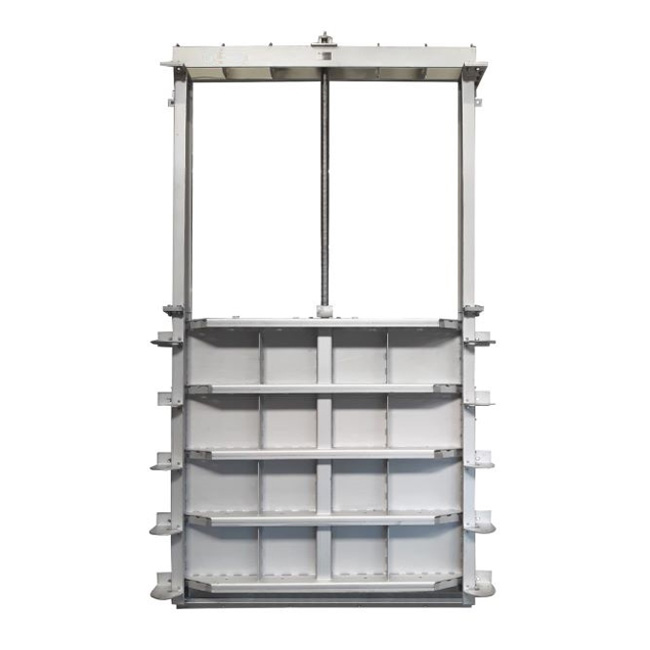
Enke Group manufactures a full line of stainless steel mechanical equipment for wastewater treatment plants. The range includes screens that remove solids at the intake stage. Penstocks control flow between treatment stages with a tight, corrosion-free seal. Grit and grease removal units protect downstream equipment from abrasive particles.
Sludge scrapers keep clarifiers running smoothly by moving settled solids to collection points. Conveyors transport dewatered sludge without jamming or rusting shut. Compact units combine several treatment steps into one stainless steel frame, saving space in smaller facilities. Each product uses the same corrosion-resistant construction throughout.
Key Benefits for Treatment Plant Operators
Stainless steel mechanical equipment delivers real, measurable advantages for plant operators:
- Long service life: Corrosion resistance means decades of use without structural failure.
- Lower maintenance: Equipment resists rust, so operators spend less time on repairs.
- Hygienic operation: Smooth, non-porous surfaces resist bacterial buildup and are easy to clean.
- Consistent performance: Moving parts stay free of rust, so screens, scrapers, and conveyors keep working as designed.
- Better long-term value: Higher upfront cost pays off through fewer replacements over time.
These benefits compound over a plant’s lifetime. Fewer breakdowns mean less downtime for treatment lines. Lower maintenance frees up staff for other tasks. In short, stainless steel construction protects your investment.
Where Enke Group’s Equipment Fits
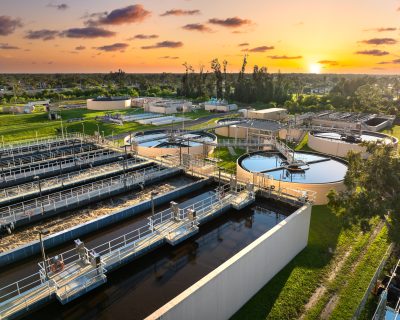
Enke Group’s stainless steel mechanical equipment suits plants of every size. Large municipal facilities rely on it to handle high, variable flows. Mid-sized industrial plants use the same equipment for consistent, dependable operation. Even small package treatment systems benefit from stainless steel’s durability. Food and beverage processors, textile plants, and municipal utilities all choose Enke Group for the same reason: reliable performance in harsh, wet conditions. According to the World Stainless Association, grades like 316 are widely used across water and wastewater treatment because they resist the chlorides and moisture common in these environments.
Ready to upgrade your plant with equipment built to last? Enke Group’s engineering team can help you choose the right stainless steel mechanical equipment for your treatment process. Contact us today to discuss your project.