

Blog
Mechanical Bar Screens for Wastewater Treatment
Every wastewater treatment plant faces the same first challenge: keeping rags, plastics, and debris out of downstream equipment. Mechanical bar screens for wastewater treatment solve this at the very start of the process. Enke Group builds these screens to handle high flows without clogging. As a result, pumps, pipes, and biological treatment stages stay protected from day one.
Why Screening Comes First in Wastewater Treatment
Preliminary treatment exists for one reason: protect everything downstream. Also, raw wastewater carries rags, wipes, plastics, and grit. Without screening, these solids damage pumps and block channels. In fact, a single clogged screen can shut down an entire treatment line. Reliable screening therefore is not optional. It is the foundation of the whole plant.
Multirake vs. Band Screens: Enke Group’s Product Line
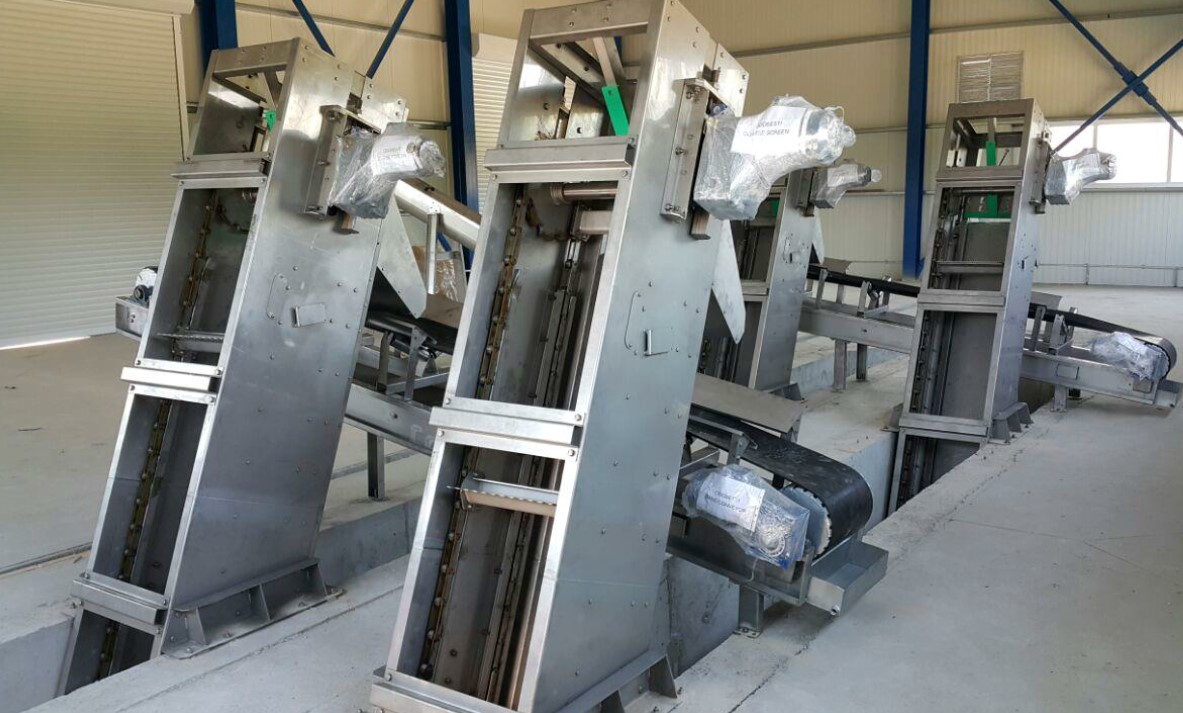
Enke Group manufactures two main types of mechanical bar screens. Multirake screens use continuously moving rakes to clear coarse and fine bars. Band screens use a chain-driven belt that rotates through the channel. Both designs remove solids automatically, so operators avoid manual raking. However, each type fits different site conditions.
Multirake screens work best in deep channels with high flow rates. Band screens suit tighter spaces and finer screening needs, with openings from 0.25 to 12 mm. Either option ships in stainless steel, including AISI 304, 304L, 316, 316L, or 316Ti grades, for long-term corrosion resistance. Every unit undergoes quality testing before it leaves our facility.
Enke Group’s screens share several core advantages:
- Automatic self-cleaning mechanism
- Compact design for minimum footprint
- Low operation and maintenance cost
- Easy retrofit into existing channels
- Corrosion-resistant stainless steel construction
Where Enke Group Screens Are Used
Similarly, municipal plants rely on these screens at the plant inlet. Industrial facilities use them too, including textile, food, sugar, and pulp and paper operations. Additionally, screens protect pumping stations, intake structures, and power plant cooling water systems. Water intake structures for drinking water plants also benefit from the same protection. Sludge screening processes also depend on the same technology.
For background on why this step matters industry-wide, see the EPA’s wastewater technology fact sheets. They cover screening and grit removal in detail.
Choosing the Right Screen for Your Plant
Channel width, flow rate, and debris type all affect the right choice. Therefore, Enke Group’s team reviews these factors before recommending a design. For example, a food processing plant with heavy organic solids often needs a fine multirake screen. A municipal inlet with variable flow may do better with a band screen instead.
This selection process follows the same engineering approach behind our stainless steel mechanical equipment lineup. Overall, material and design always match the specific demands of the site.
Work With Enke Group
If your plant needs reliable, low-maintenance screening, Enke Group can help. Moreover, our multirake and band screens protect downstream equipment while keeping operating costs low. In short, a well-sized screen pays for itself through fewer shutdowns and lower repair bills. Contact our team today to find the right mechanical bar screen for your flow and channel conditions.