

Blog
MBBR Media for Refinery Wastewater | Enke Group
Refinery effluent is one of the toughest streams to treat. MBBR media for refinery wastewater gives your bacteria a stable home, even when loads swing hard. At Enke Group, we also supply biofilm carriers built for exactly this kind of duty.
In this post, we explain why refineries choose MBBR. Moreover, we show how our carriers help you meet discharge limits with less stress.
Why Refinery Wastewater Is Hard to Treat
Refinery water carries oil, phenols, sulfides and ammonia. In addition, COD often spikes after tank cleaning or a crude change. As a result, sensitive bacteria can wash out or die off.
Classic activated sludge often struggles with these swings. For example, a single phenol shock can upset the whole plant for weeks. Therefore, many operators look for a more robust biological step.
How MBBR Media for Refinery Wastewater Helps
An MBBR uses free-moving plastic carriers inside an aerated tank. Bacteria grow as a thin biofilm on the protected inner surfaces. Because the biofilm stays on the media, it does not wash out with the flow.
This matters a lot in a refinery, especially during upsets. In fact, the biofilm has many layers, so a toxic peak hits only the outer layer first. Meanwhile, the inner layers keep working, and then the system recovers quickly.
MBBR also handles nitrification well. Slow-growing nitrifiers stay in the reactor, so ammonia removal remains steady. Similarly, phenol-eating bacteria build up over time and stay in place.
What Makes Enke Group Carriers Different
Not all carriers survive refinery duty. However, we make our media from 100% virgin HDPE, never from recycled plastic. As a result, they resist oil, chemicals and constant movement for many years.
- Virgin HDPE material: strong, chemically stable and built for a long service life.
- 19-chamber design: many small cells protect the biofilm from shear and grit.
- High protected surface area: more biomass per cubic meter, so you need a smaller tank.
- Balanced density: carriers mix evenly with less air, which also saves energy.
Where MBBR Fits in a Refinery Plant
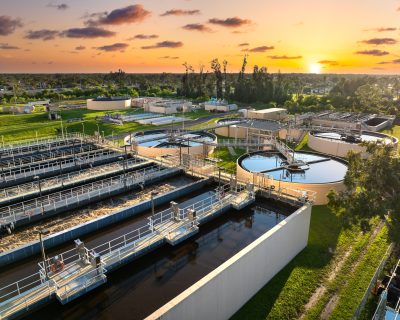
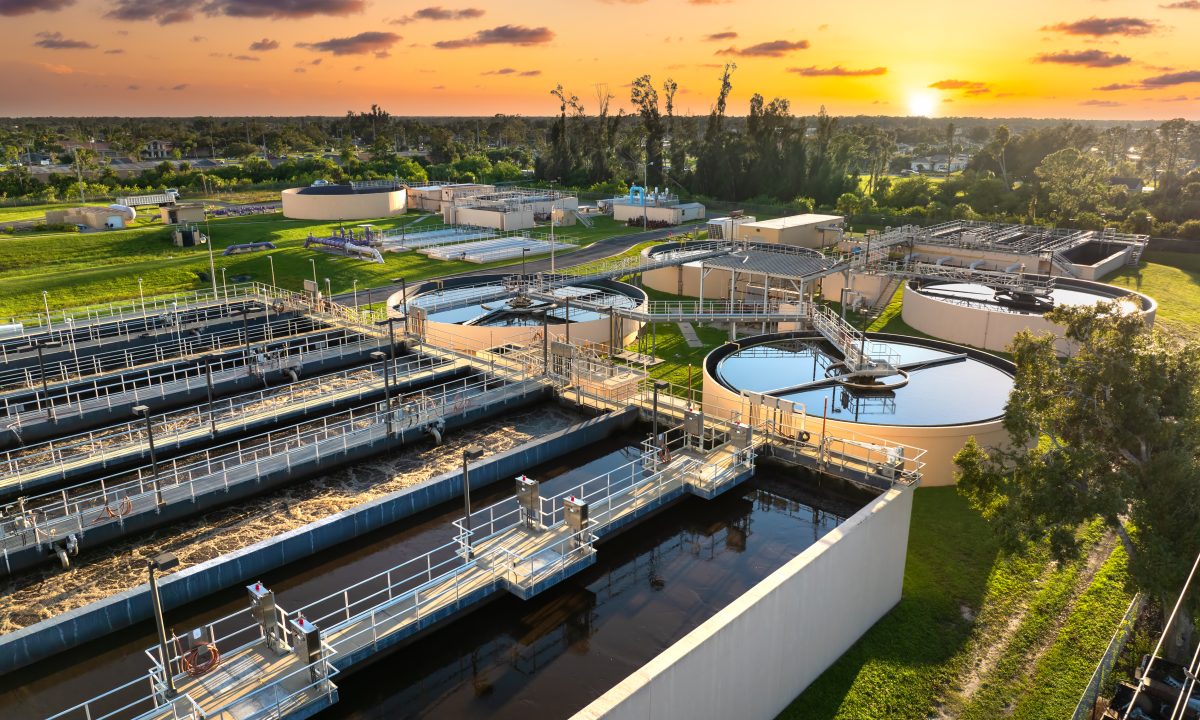
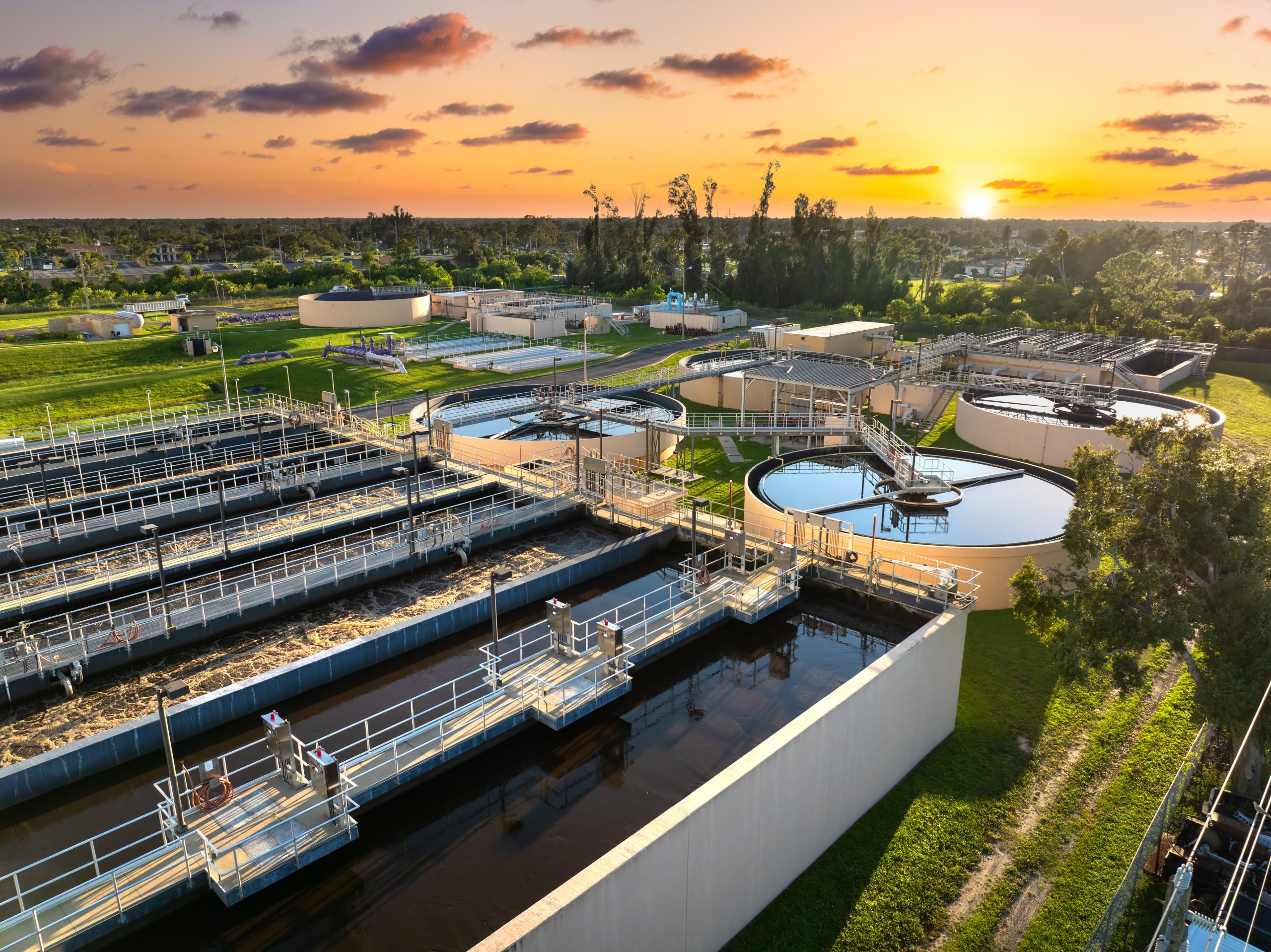
Most refineries place the MBBR after oil removal. First, an API separator and a DAF unit take out free and emulsified oil. Then the MBBR removes the dissolved organics and ammonia.
You can also use our media to upgrade an existing basin. For instance, adding carriers to an old aeration tank can raise capacity without new concrete. See our guide on MBBR media for chemical wastewater for a similar case.
Discharge rules for refineries are strict in many countries. For example, the US EPA petroleum refining effluent guidelines set limits on phenols, ammonia and sulfide. Consequently, a stable MBBR step helps you meet such limits every day.
Key Benefits for Refinery Operators
- Fast recovery after toxic or oily shock loads.
- Stable ammonia and phenol removal all year round.
- A compact footprint for crowded refinery sites.
- No sludge return line and simple daily operation.
- Long media life with little or no replacement.
Choose Enke Group for Your Refinery Project
Every refinery stream is different. Therefore, our team checks your flow, COD, ammonia and phenol data before we suggest a fill ratio. In short, you get media sized for your real loads, not a rough guess.
Ready to make your effluent plant more stable? Contact Enke Group today to discuss MBBR media for refinery wastewater and get a tailored proposal.