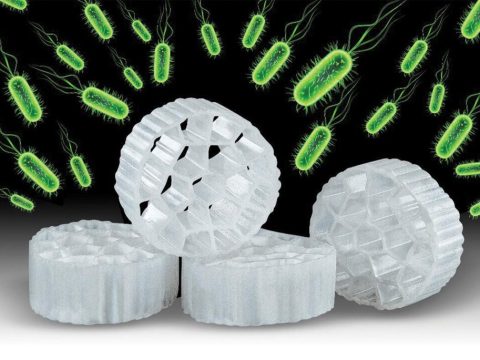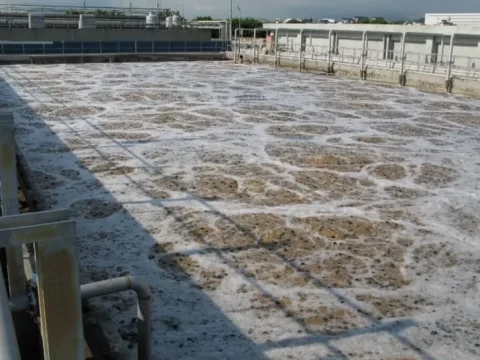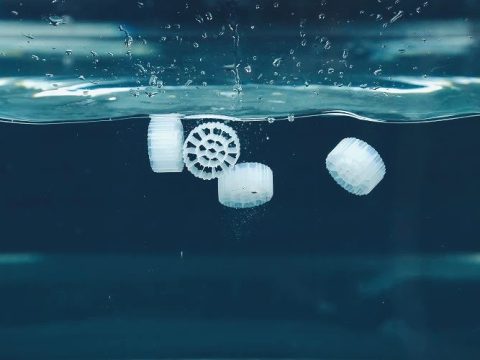
MBBR media for textile wastewater treatment close-up view

Textile mills produce some of the most difficult wastewater in the manufacturing sector. Dyes, sizing agents, and finishing chemicals create heavy organic loads. MBBR media for textile wastewater treatment gives mills a compact, reliable way to break down that load. Enke Group builds this media from virgin HDPE for long-term performance. As a result, plants meet discharge limits without constant re-engineering.

Why Textile Effluent Is Hard to Treat

Textile processing uses huge volumes of water. Every stage, from dyeing to finishing, adds pollutants to the stream. These pollutants include high color, high COD, and shifting pH. However, traditional activated sludge systems often struggle with these swings. In fact, a sudden shock load can wash out the biomass entirely.

Biofilm carriers solve this problem differently. Because the biomass grows attached to the media surface, it resists washout far better than suspended sludge. MBBR systems therefore handle the load swings typical of textile plants with more consistency. Operators also gain flexibility: they can add media to boost capacity without building new tanks.

How MBBR Media Breaks Down Textile Effluent

Each piece of MBBR media provides a protected surface for bacteria to colonize. The internal chambers shield the biofilm from turbulence while still allowing water and oxygen to flow through. As a result, this design supports a dense, stable microbial population. Consequently, the biomass keeps degrading organic pollutants even during the flow swings common in dye houses.

Enke Group’s carriers offer several advantages for textile effluent treatment:

In contrast, many recycled-plastic carriers degrade under this kind of chemical stress. Enke Group’s HDPE media does not, so it keeps working for years.

Fitting MBBR Media Into an Existing Textile Plant

Retrofitting is often the fastest path to compliance. Mills can add MBBR media directly into an existing aeration tank. In most cases, no major civil work is required. This approach lets a plant increase treatment capacity while production continues. For example, a mid-sized dye house can raise capacity by 30 to 40 percent just by adding media. This avoids a costly tank expansion.

Fill ratio matters here. Enke Group’s team calculates the right fill ratio for each mill’s flow rate and pollutant load. This typically falls between 30% and 50% of tank volume. This step follows the same logic covered in our MBBR media selection guide. It explains how to match media type to treatment goals. In short, getting the ratio right prevents both underperformance and unnecessary cost.

Working With Enke Group

Enke Group manufactures MBBR media specifically for demanding industrial applications like textile finishing. Every batch uses virgin HDPE, not recycled resin, for consistent density and durability. The chamber design maximizes protected surface area without clogging. Mills can also review the EPA’s Textile Mills Effluent Guidelines for official discharge standards.

If your plant needs a proven, low-maintenance solution for color and COD removal, Enke Group can help. Contact our team today to get MBBR media for textile wastewater treatment sized to your plant’s flow and load.

MBBR media for food and beverage wastewater treatment

Food and beverage plants produce some of the toughest wastewater in industry. Dairy, beverage bottling, and meat processing all release high-strength organic loads. MBBR media for food and beverage wastewater treatment gives these plants a compact, reliable way to handle that load. Enke Group builds this media from virgin HDPE for long-term performance. As a result, plants get steady treatment even when production volumes swing.

Why Food and Beverage Wastewater Is Different

High-strength wastewater carries far more organic matter than typical municipal flow. As a result, standard treatment systems often struggle to keep up. Sudden production shifts also send BOD spikes through the system. For example, a bottling line running a syrup batch can double organic load within an hour. Therefore, food and beverage plants need media that responds fast and stays stable under stress. Fat, oil, and grease content adds further strain on standard biological systems. Odor complaints and permit violations often follow when treatment falls behind. A well-sized MBBR system helps plants avoid both problems.

Built From Virgin HDPE for Long-Term Reliability

Enke Group manufactures its MBBR media from 100% virgin HDPE, not recycled plastic. This choice matters in food and beverage settings, where fats, oils, and cleaning chemicals degrade weaker materials fast. Virgin HDPE resists cracking and keeps its shape under constant biofilm growth and washdown cycles. In addition, the chamber design protects the internal surface area from clogging, even with high solids content. As a result, the biofilm stays active and nitrification stays consistent. This durability also means fewer media replacements over the life of the plant.

Where MBBR Media for Food and Beverage Plants Performs Best

Food and beverage producers use Enke Group’s MBBR media across several demanding applications. In particular, four sectors see the strongest results:

Each application relies on the same core design. High surface area, strong biofilm attachment, and fouling resistance all work together. Consequently, plants gain stable treatment even when production schedules change often. Operators also report easier maintenance since the media resists tangling and clumping.

Choosing the Right Fill Ratio and Media Type

Getting fill ratio right matters when selecting MBBR media for food and beverage applications. Similarly, tank geometry and existing aeration capacity shape the right choice. Enke Group’s team reviews influent BOD, flow variability, and available tank volume before recommending a fill ratio. This step prevents under-sizing, a common cause of poor nitrification. It also avoids over-sizing, which wastes budget without adding real treatment value. For a deeper look at sizing, see our MBBR media selection guide.

Regulatory pressure adds another reason to size systems correctly. According to the EPA’s effluent guidelines overview, industrial wastewater discharge often faces sector-specific standards. Consequently, food and beverage plants benefit from treatment that consistently meets those limits. Proper sizing today also reduces the risk of costly upgrades later.

Talk to Enke Group About Your Plant

Enke Group designs MBBR media specifically for demanding industrial wastewater, including food and beverage applications. Our virgin HDPE media, proven chamber design, and engineering support help plants meet discharge limits reliably. In short, the right media choice protects both compliance and budget over time. Reach out to our team to review your current system and flow data. Contact Enke Group today to discuss the right MBBR media for your facility.

Wastewater plants often hit a capacity wall. Flows increase, and new regulations arrive. However, building new tanks takes time and costs a lot of money. An MBBR media retrofit solves this problem without major construction. In fact, you simply add biofilm carriers to your existing tanks, and treatment capacity rises fast.

Enke Group designs MBBR media specifically for retrofit projects. Our carriers work inside your current basins, so there is no need to expand your footprint. As a result, plants can meet stricter discharge limits quickly and affordably. Additionally, installation causes minimal downtime.

MBBR media retrofit carriers added to an existing wastewater tank

How Does an MBBR Media Retrofit Work?

The process is simple. You add plastic biofilm carriers directly into an aeration tank. Bacteria then colonize the carrier surfaces. Meanwhile, your existing infrastructure keeps running during the upgrade. Therefore, the tank treats a higher load without adding volume.

Enke Group carriers are made from virgin HDPE. This material resists cracking and UV damage. Furthermore, it holds up under years of mechanical stress. In addition, our chambered design gives bacteria more protected surface area than flat or ring-style carriers. This means faster biofilm growth and better removal rates.

Each carrier offers roughly 650 m² of protected surface area per cubic meter. This gives bacteria plenty of room to grow, even in tight tanks. Consequently, plants gain treatment capacity without losing hydraulic volume.

Sizing Your Retrofit Correctly

Retrofit success depends on the right fill ratio and carrier surface area. Every tank has different flow, load, and oxygen conditions. For example, a small municipal plant needs a different design than a food and beverage facility with high organic loads. Therefore, no two retrofit designs look exactly alike. Enke Group’s team reviews your tank data before recommending a solution. This step prevents under-sizing or wasted media.

Want more detail? Read our guide to MBBR media filling ratio and how it affects reactor performance.

Industries That Benefit from MBBR Retrofits

Many sectors choose an MBBR media retrofit. Food and beverage plants handle variable organic loads. Textile facilities manage color and chemical byproducts. Chemical and paper plants often need higher nitrification capacity. Meanwhile, municipal plants use retrofits to meet stricter ammonia limits. Overall, Enke Group’s HDPE carriers fit into existing tanks with minimal disruption.

Why Retrofit Instead of Building New Tanks?

An MBBR media retrofit offers several advantages over new construction:

These benefits make MBBR media retrofit projects popular across industries. Food and beverage, textile, chemical, and municipal plants all use this approach. Similarly, many aquaculture and paper mills add carriers to boost nitrification. In fact, the EPA’s technology review confirms reliable MBBR performance. This holds true across a wide range of applications.

Talk to Enke Group About Your Retrofit

Every retrofit project starts with a conversation. Our engineers assess your current tank and treatment goals. Then, we recommend the right carrier type, fill ratio, and installation plan. In short, you get a proven upgrade path without new construction. Contact Enke Group today to discuss your MBBR media retrofit. We typically respond within one business day.

Stainless steel mechanical equipment protects wastewater treatment plants from one of their biggest enemies: corrosion. Wastewater is aggressive. It carries grit, chemicals, and moisture that eat through weaker metals fast. Enke Group builds its mechanical equipment from stainless steel for this exact reason. As a result, plant operators get equipment that lasts for decades, not years. That reliability keeps treatment lines running and repair costs down.

stainless steel mechanical equipment for wastewater treatment

Why Stainless Steel Beats Other Materials in Wastewater Plants

Carbon steel rusts quickly in wet, chemical-heavy environments. Rust weakens joints, seals, and moving parts. It also contaminates the water it touches. Stainless steel resists this corrosion far better. Grades like 304 and 316 stand up to chlorides, acids, and constant moisture. Consequently, equipment stays structurally sound for many years of continuous operation.

Enke Group typically specifies 304 and 316 stainless steel depending on the application. Chloride-heavy environments call for 316, since its added molybdenum boosts corrosion resistance. Standard treatment conditions often work well with 304, which keeps costs lower. Either way, the equipment resists the pitting and cracking that plague ordinary steel.

Enke Group’s Stainless Steel Mechanical Equipment Range

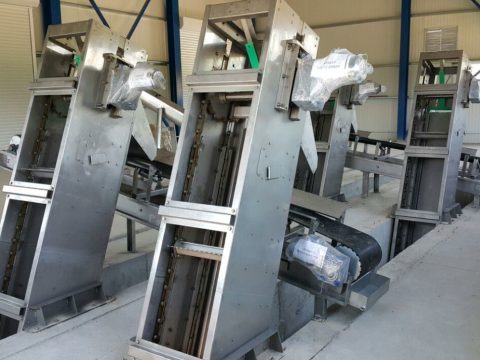
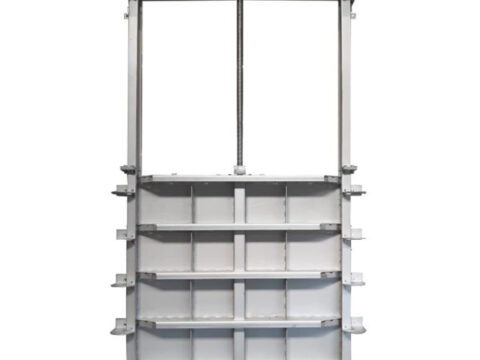
Enke Group manufactures a full line of stainless steel mechanical equipment for wastewater treatment plants. The range includes screens that remove solids at the intake stage. Penstocks control flow between treatment stages with a tight, corrosion-free seal. Grit and grease removal units protect downstream equipment from abrasive particles.

Sludge scrapers keep clarifiers running smoothly by moving settled solids to collection points. Conveyors transport dewatered sludge without jamming or rusting shut. Compact units combine several treatment steps into one stainless steel frame, saving space in smaller facilities. Each product uses the same corrosion-resistant construction throughout.

Key Benefits for Treatment Plant Operators

Stainless steel mechanical equipment delivers real, measurable advantages for plant operators:

These benefits compound over a plant’s lifetime. Fewer breakdowns mean less downtime for treatment lines. Lower maintenance frees up staff for other tasks. In short, stainless steel construction protects your investment.

Where Enke Group’s Equipment Fits

Enke Group’s stainless steel mechanical equipment suits plants of every size. Large municipal facilities rely on it to handle high, variable flows. Mid-sized industrial plants use the same equipment for consistent, dependable operation. Even small package treatment systems benefit from stainless steel’s durability. Food and beverage processors, textile plants, and municipal utilities all choose Enke Group for the same reason: reliable performance in harsh, wet conditions. According to the World Stainless Association, grades like 316 are widely used across water and wastewater treatment because they resist the chlorides and moisture common in these environments.

Ready to upgrade your plant with equipment built to last? Enke Group’s engineering team can help you choose the right stainless steel mechanical equipment for your treatment process. Contact us today to discuss your project.

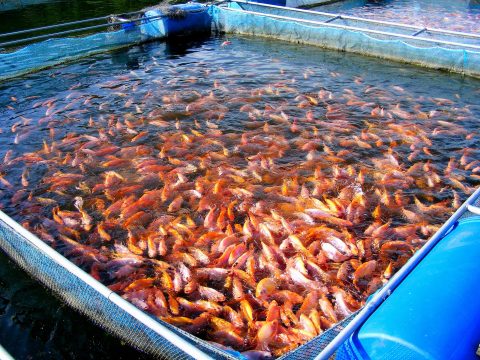
MBBR media for aquaculture keeps fish farms healthy and productive. Recirculating aquaculture systems (RAS) pack thousands of fish into a small footprint. This puts constant pressure on water quality. Ammonia and nitrite can spike fast in a crowded tank. Enke Group’s biofilm carriers give beneficial bacteria a stable home to break these compounds down. As a result, farmers get cleaner water without constant intervention.

MBBR media for aquaculture biofilter tank

Why Water Quality Makes or Breaks Aquaculture

Fish farming success depends on stable water chemistry. Ammonia builds up quickly when stocking density is high. High ammonia stresses fish and slows growth. It can even trigger disease outbreaks. Traditional filtration alone often cannot keep pace with a busy RAS system. That is why many operators add moving bed biofilm reactor (MBBR) technology to their treatment train.

MBBR Media for Aquaculture: Engineered for RAS Performance

Enke Group manufactures MBBR media from virgin HDPE, not recycled plastic. Virgin HDPE resists degradation and will not leach chemicals into sensitive aquaculture water. Each carrier features a multi-chamber design that protects bacteria from turbulence and predation. This protected structure means more active biomass per cubic meter. More biomass translates directly into faster, more reliable ammonia removal.

Enke Group media offers up to 650 m² of protected surface area per cubic meter. That is enough surface for dense bacterial colonies to thrive. The carriers also feature a 19-chamber internal design that shields biofilm from shear stress. Consequently, colonies stay intact even in fast-flowing RAS tanks. This durability keeps performance consistent through years of continuous operation.

Key Benefits for Aquaculture and RAS Operators

Enke Group’s MBBR media delivers clear, practical benefits for fish farm operators:

These benefits add up over the life of a facility. Lower maintenance means fewer shutdowns and less labor. Efficient aeration lowers electricity bills month after month. In short, better media pays for itself.

Where This Technology Fits in Aquaculture Operations

Enke Group’s MBBR media for aquaculture suits many settings. Recirculating systems for salmon, trout, and tilapia all benefit from stable biofiltration. Shrimp hatcheries use the same technology to protect sensitive larvae. Ornamental fish farms rely on it too, since water clarity affects sale value directly. For guidance on matching media type to tank size, see our MBBR media selection guide.

Water quality standards for aquaculture keep tightening worldwide. Organizations such as NOAA Fisheries highlight biosecurity and water treatment as top priorities for sustainable fish farming. Choosing durable, food-safe MBBR media helps operators meet these standards without costly redesigns.

Ready to upgrade your aquaculture biofiltration? Enke Group’s engineering team can help you size the right MBBR media for your RAS system. Contact us today to discuss your project and request a sample.

MBBR media supporting nitrification and ammonia removal in a reactor tank

Ammonia removal is one of the toughest challenges in biological wastewater treatment. However, MBBR ammonia removal offers a dependable solution for plants that need consistent nitrification.

Enke Group’s MBBR media gives nitrifying bacteria a stable, protected surface to grow on. As a result, plants achieve lower effluent ammonia levels without expanding their footprint.

Why Nitrification Is Hard to Control

Nitrifying bacteria grow slowly. Therefore, they need a stable environment to establish and stay attached inside the reactor.

Activated sludge systems often lose these bacteria during shock loads or sludge wasting. Consequently, ammonia removal becomes unreliable.

MBBR media solves this problem directly. The protected biofilm inside each carrier shields nitrifiers from washout, even when flow rates spike.

How MBBR Media Supports Stable Nitrification

Each carrier provides a large protected surface area for biofilm growth. Additionally, the carrier’s chamber design shelters nitrifying bacteria from mechanical shear.

This protection matters because nitrifiers are far more sensitive to turbulence than heterotrophic bacteria. For example, aggressive mixing can strip a thin biofilm layer in minutes.

Enke Group’s virgin HDPE media resists this stress. Meanwhile, its high surface area keeps enough active biomass in the reactor to handle ammonia loading swings.

MBBR vs. Traditional Suspended Growth Systems

Conventional activated sludge relies entirely on suspended biomass. As a result, nitrifiers wash out easily whenever sludge age drops or flow surges.

MBBR media changes this dynamic. Because the biofilm stays attached to the carrier, nitrifying bacteria remain in the reactor regardless of hydraulic swings.

Therefore, plants converting from suspended growth to MBBR often see faster nitrification recovery after upsets.

Key Design Factors for Ammonia Removal

Several design choices influence how well an MBBR system performs nitrification.

In short, the media itself only performs well when paired with the right operating conditions. Enke Group’s engineering team helps size systems around these factors from the start.

Real-World Benefits for Industrial and Municipal Plants

Plants facing tightening ammonia discharge limits often need a solution that fits inside existing tanks. MBBR retrofits address this directly, since carriers can be added to current basins without major construction.

Furthermore, MBBR media handles variable industrial loads better than many alternatives. For instance, food and beverage plants see steadier nitrification even during seasonal production swings.

To learn more about matching media volume to your reactor, see our guide to MBBR media fundamentals. For regulatory background on nitrification, the EPA’s nitrification fact sheet offers useful technical detail.

Choosing the Right MBBR Media for Ammonia Removal

Not every biofilm carrier performs equally. Consequently, material quality and chamber geometry both affect nitrification performance over time.

Enke Group manufactures MBBR media from 100% virgin HDPE, engineered specifically for long-term biofilm stability. As a result, plants get consistent ammonia removal without frequent media replacement.

Conclusion

Reliable MBBR ammonia removal depends on protecting nitrifying bacteria and matching media to your actual load. With the right carrier design, plants can meet strict ammonia limits while keeping operating costs low.

Contact Enke Group to discuss which MBBR media configuration fits your nitrification target.

Why 19-Chamber MBBR Media Improves Biological Wastewater Treatment Performance

Choosing the right MBBR media is one of the most important decisions when designing or upgrading a biological wastewater treatment plant. While specific surface area is often the first specification engineers compare, it is only one part of the equation.

The geometry of the carrier plays a critical role in biofilm development, oxygen transfer, hydraulic performance, and long-term operational stability.

A well-designed 19-chamber MBBR media with a specific surface area of 650 m²/m³ provides an excellent balance between effective biofilm growth, mechanical durability, and hydraulic efficiency. Rather than focusing solely on maximizing theoretical surface area, this balanced design helps maintain stable biological performance under real operating conditions.


Understanding MBBR Media Design

Moving Bed Biofilm Reactor (MBBR) technology relies on millions of microorganisms growing on the protected surfaces of plastic carriers.

As wastewater flows through the reactor, these microorganisms remove organic matter and nutrients while remaining attached to the media.

The effectiveness of this process depends on much more than simply increasing the amount of available surface.

An efficient carrier should provide:

These characteristics work together to support reliable biological treatment.


Why the Number of Chambers Matters

The internal chamber design determines how microorganisms develop and remain attached to the carrier.

A 19-chamber geometry creates multiple protected zones where biofilm can establish itself while still allowing wastewater and oxygen to circulate freely.

This balanced internal structure offers several operational advantages.

Enhanced Biofilm Protection

Biofilm is continuously exposed to hydraulic forces inside the reactor.

A carrier with multiple protected chambers helps shield microorganisms from excessive shear stress while allowing older biofilm layers to naturally renew themselves.

This creates a healthier and more active microbial population.


Improved Water Circulation

Efficient biological treatment depends on continuous contact between wastewater, oxygen, and microorganisms.

The internal geometry of a 19-chamber carrier allows wastewater to move freely through the media, ensuring nutrients reach the biofilm while reducing stagnant zones.


Better Oxygen Distribution

Aerobic microorganisms require oxygen to efficiently degrade organic pollutants.

A balanced carrier design promotes oxygen transfer throughout the biofilm, supporting stable treatment performance even during fluctuating operating conditions.


The Importance of a Balanced Specific Surface Area

One common misconception is that the highest specific surface area always delivers the best treatment performance.

In reality, effective biological treatment depends on how much of the available surface remains biologically active during long-term operation.

A specific surface area of 650 m²/m³ represents a well-balanced design that combines generous biofilm growth capacity with efficient hydraulic performance.

Instead of maximizing theoretical values, this approach prioritizes long-term operational reliability.


Manufactured from 100% Virgin HDPE

Material quality is just as important as media geometry.

High-quality MBBR carriers manufactured from 100% virgin High-Density Polyethylene (HDPE) offer excellent resistance to chemicals, mechanical impacts, and continuous reactor operation.

Key benefits include:

These properties help maintain media performance over many years of operation.


Stable Movement Inside the Reactor

Proper movement of biofilm carriers is essential for healthy biofilm development.

The 19-chamber design is engineered to move freely within the reactor under appropriate aeration conditions.

Continuous movement provides several advantages:

Stable carrier movement contributes directly to reliable biological treatment.


Suitable for Municipal and Industrial Wastewater

A balanced MBBR media design can be applied across a wide range of wastewater treatment applications.

Typical applications include:

Its versatility makes it suitable for both new installations and plant upgrades.


Ideal for Plant Expansion Projects

Many existing wastewater treatment plants eventually reach their original design capacity.

Instead of constructing new biological reactors, many facilities choose to increase treatment capacity by adding MBBR media to existing tanks.

Because of its balanced hydraulic characteristics and effective biofilm support, 19-chamber media is well suited for retrofit projects where additional biological capacity is required within limited space.


Choosing the Right MBBR Media

Selecting MBBR media should involve evaluating several engineering parameters rather than focusing on a single specification.

Important considerations include:

A balanced carrier design helps support consistent biological treatment while reducing long-term operational risks.


Conclusion

Successful biological wastewater treatment depends on much more than simply increasing the specific surface area of the carrier.

The overall geometry, protected biofilm zones, hydraulic performance, material quality, and mechanical durability all contribute to stable long-term operation.

A 19-chamber MBBR media with a balanced specific surface area of 650 m²/m³ provides an effective combination of biofilm protection, oxygen distribution, water circulation, and operational reliability for municipal and industrial wastewater treatment applications.

When selecting biofilm carriers, engineers should prioritize overall design quality rather than focusing on a single numerical specification.


Frequently Asked Questions

Why is 19-chamber MBBR media beneficial?

Its internal geometry provides protected surfaces for biofilm growth while maintaining good water circulation and oxygen transfer, supporting stable biological treatment.

Is higher specific surface area always better?

Not necessarily. Treatment performance depends on the effective use of the available surface, carrier geometry, hydraulic conditions, and biofilm stability rather than theoretical surface area alone.

Why is virgin HDPE important?

Virgin HDPE offers consistent mechanical strength, chemical resistance, and long-term durability, helping maintain reliable media performance over many years.

Where can 19-chamber MBBR media be used?

It is suitable for municipal wastewater, industrial wastewater, aquaculture, food processing, dairy, breweries, textile plants, chemical industries, and many retrofit projects.

When investing in a Moving Bed Biofilm Reactor (MBBR) system, one of the most common questions engineers and plant operators ask is:

How long does MBBR media last?

Since the biofilm carrier is the heart of the biological treatment process, its durability directly impacts system performance, maintenance costs, and return on investment.

The good news is that high-quality MBBR media manufactured from virgin HDPE can provide reliable performance for more than 20 years under normal operating conditions.

However, not all media are created equal. Material quality, manufacturing process, and reactor operating conditions all influence the service life of biofilm carriers.


Why MBBR Media Has a Long Service Life

Unlike mechanical equipment, MBBR media contains no moving parts.

Its primary function is to provide a stable surface for microorganisms to grow while continuously moving inside the reactor.

Because the carriers are made from chemically resistant polymers, they are designed to withstand years of continuous operation without significant degradation.


The Importance of Virgin HDPE

The raw material used during manufacturing is one of the most important factors affecting durability.

High-quality MBBR media is typically produced using 100% virgin High-Density Polyethylene (HDPE).

Virgin HDPE offers several advantages:

Using recycled plastics may reduce manufacturing costs, but it can also lead to inconsistent material properties and shorter service life.


Factors That Affect MBBR Media Lifespan

Although MBBR media is designed for decades of operation, several conditions influence its longevity.

1. Mechanical Wear

The carriers continuously collide with each other during aeration.

Well-designed media maintain their structural integrity even after millions of impacts.


2. Aeration Intensity

Proper aeration keeps the carriers moving while preventing unnecessary mechanical stress.

Excessive air flow increases wear without improving treatment performance.


3. Wastewater Characteristics

Industrial wastewater containing abrasive particles such as sand or grit may accelerate surface wear.

Proper pretreatment significantly extends media life.


4. Manufacturing Quality

Precision injection molding ensures consistent wall thickness and structural strength.

Poor manufacturing quality may result in premature cracking or deformation.


Does Biofilm Damage the Media?

No.

The microorganisms growing on the carrier surface do not consume or degrade the plastic itself.

Instead, the biofilm naturally develops, thickens, and periodically sheds during normal operation while the carrier remains intact.


Does MBBR Media Need Replacement?

In most properly designed treatment plants, MBBR media does not require routine replacement.

Replacement is usually considered only if:

Otherwise, the original media can continue operating efficiently for decades.


Signs of High-Quality MBBR Media

When selecting biofilm carriers, engineers should evaluate more than just the specific surface area.

Quality indicators include:

Choosing high-quality media reduces maintenance costs and maximizes long-term treatment efficiency.


Conclusion

MBBR media is designed to be a long-term investment rather than a consumable product.

When manufactured from 100% virgin HDPE and operated under appropriate conditions, biofilm carriers can deliver reliable biological treatment for 20 years or more with minimal maintenance.

Selecting high-quality media at the beginning of a project helps ensure stable performance, lower lifecycle costs, and greater confidence in the wastewater treatment system.

When engineers compare MBBR media, one specification usually attracts the most attention:

Specific Surface Area (SSA).

It is common to assume that a carrier offering 800, 900, or even 1,200 m²/m³ must perform better than one rated at 650 m²/m³.

At first glance, the logic seems simple:

More surface area = more biofilm = better treatment.

However, real-world wastewater treatment is far more complex.

The efficiency of an MBBR system depends not only on how much surface area is available but also on how effectively microorganisms can colonize, retain, and utilize that surface over years of operation.


What Is Specific Surface Area?

Specific Surface Area (SSA) represents the total surface available for biofilm growth within one cubic meter of MBBR media.

Manufacturers often use this figure as a key selling point because it is easy to compare.

But SSA alone does not determine treatment efficiency.

Several other factors are equally important.


More Surface Area Does Not Always Mean More Active Biofilm

The primary goal of MBBR media is not simply to maximize surface area.

The goal is to maximize effective biofilm activity.

Very high surface area designs often achieve impressive laboratory numbers by using:

While these designs increase theoretical surface area, they may also create operational challenges.


Problems with Extremely High Surface Area Media

1. Reduced Water Circulation

When internal spaces become too narrow, wastewater cannot circulate efficiently.

Poor circulation limits:

As a result, part of the available surface may become biologically inactive.


2. Excessive Biofilm Thickness

Biofilm naturally grows over time.

In carriers with very tight internal geometry, thick biofilm can partially block water flow.

This reduces oxygen penetration and creates inactive zones inside the carrier.

More surface becomes available on paper, but less remains active in practice.


3. Increased Risk of Clogging

Industrial wastewater often contains suspended solids, fibers, grease, or other contaminants.

Media with very narrow openings are generally more susceptible to fouling and clogging, which can reduce long-term performance.


4. Lower Mixing Efficiency

An effective MBBR system relies on continuous movement of the carriers.

Overly complex media geometries may experience less efficient mixing, reducing the natural scouring action that keeps biofilm healthy.


Why 650 m²/m³ Offers an Excellent Balance

A well-designed 650 m²/m³ carrier provides an optimal balance between surface area and operational reliability.

Rather than maximizing theoretical numbers, this design focuses on maintaining effective biofilm activity throughout the life of the treatment plant.

Key advantages include:

For most municipal and industrial wastewater applications, these characteristics are often more valuable than simply having the highest advertised surface area.


Active Surface Area Is More Important Than Total Surface Area

Another important concept is protected or effective surface area.

Not every square meter inside a carrier contributes equally to biological treatment.

The most effective biofilm develops on surfaces that are:

A carrier with a lower nominal surface area but a higher percentage of biologically active surface can outperform one with a much higher theoretical SSA.


Choosing MBBR Media Should Go Beyond One Number

When selecting biofilm carriers, engineers should evaluate several parameters together:

A balanced design usually delivers better lifecycle performance than one optimized for a single specification.


Conclusion

Specific Surface Area is an important parameter, but it should never be the only criterion when selecting MBBR media.

The highest published SSA does not automatically translate into the highest treatment efficiency.

For long-term operation, factors such as water circulation, oxygen transfer, biofilm stability, and carrier durability often have a greater impact on overall plant performance.

A 650 m²/m³ MBBR media offers a balanced combination of effective biofilm growth, hydraulic performance, and operational reliability, making it a dependable choice for a wide range of municipal and industrial wastewater treatment applications.

As environmental regulations become increasingly strict, industries and municipalities are searching for wastewater treatment technologies that provide high efficiency while minimizing footprint and operating costs.

Among today’s biological treatment technologies, the Moving Bed Biofilm Reactor (MBBR) process has become one of the most preferred solutions due to its compact design, operational stability, and high organic removal efficiency.

This guide explains everything you need to know about the MBBR process, including its working principle, advantages, design considerations, and industrial applications.


What is the MBBR Process?

The Moving Bed Biofilm Reactor (MBBR) is an attached-growth biological wastewater treatment technology developed in Norway during the late 1980s.

Unlike conventional activated sludge systems where microorganisms remain suspended in water, MBBR systems allow microorganisms to grow as biofilm on specially designed plastic carrier media.

These carriers continuously move inside the reactor through aeration or mechanical mixing, providing a large protected surface area for biological treatment.

As wastewater flows through the reactor, pollutants are biologically degraded by the microorganisms attached to the media.


How Does the MBBR Process Work?

The process consists of several biological and mechanical stages.

1. Influent Wastewater

Wastewater enters the biological reactor after preliminary treatment such as screening, grit removal, and equalization.


2. Biofilm Carrier Media

Thousands of floating plastic carriers remain suspended inside the reactor.

These carriers provide:

Unlike activated sludge, the microorganisms remain attached to the media instead of being washed out.


3. Aeration

Air diffusers supply oxygen while simultaneously keeping the media in constant motion.

Proper movement prevents clogging and ensures:


4. Biological Treatment

Microorganisms degrade pollutants including:

Depending on the process configuration, MBBR can perform:


5. Secondary Clarification

After biological treatment, suspended solids are removed in a secondary clarifier.

Since the carrier media remain inside the reactor using retention sieves, only biological sludge exits the reactor.


Main Components of an MBBR System

A complete MBBR plant generally includes:


Advantages of the MBBR Process

High Treatment Efficiency

MBBR provides excellent removal of:


Compact Footprint

Since biomass concentration is significantly higher than activated sludge systems, reactor volume can be reduced considerably.

This makes MBBR ideal where land availability is limited.


Easy Retrofit

One of the biggest advantages is upgrading existing activated sludge plants without constructing new biological tanks.

Simply adding carrier media often increases treatment capacity dramatically.


Stable Performance

Because microorganisms remain attached to the carrier media, MBBR is highly resistant to:


Lower Sludge Production

Biofilm systems generally produce less excess sludge than conventional activated sludge processes.

This reduces sludge handling and disposal costs.


Simple Operation

No sludge recirculation is required.

Operators benefit from:


Typical Design Parameters

Although every project requires individual process calculations, typical design values include:

Parameter Typical Range
Carrier Fill Ratio 30–70%
Specific Surface Area 500–1000 m²/m³
Dissolved Oxygen 2–4 mg/L
Organic Loading Rate Project-specific
Temperature Depends on wastewater characteristics

Industrial Applications

MBBR technology is widely used in:

Food Processing


Chemical Industry

Treatment of high-strength industrial wastewater.


Textile Industry

Removal of biodegradable organics before discharge.


Pharmaceutical Industry

Biological degradation of complex organic compounds.


Municipal Wastewater

Population growth often exceeds the capacity of existing treatment plants.

MBBR offers a cost-effective expansion solution.


Pulp and Paper Industry

High-strength wastewater with fluctuating organic loads can be effectively treated using MBBR technology.


MBBR vs Activated Sludge

Feature MBBR Activated Sludge
Biomass Retention Biofilm Suspended sludge
Footprint Smaller Larger
Sludge Recirculation Not Required Required
Shock Load Resistance High Moderate
Retrofit Capability Excellent Limited
Operation Easier More Complex

Why Choose MBBR?

Many engineers select MBBR because it offers:

For industries seeking sustainable wastewater treatment with future expansion possibilities, MBBR remains one of the most reliable biological technologies available.


Conclusion

The Moving Bed Biofilm Reactor process has become a proven biological treatment solution for both municipal and industrial wastewater.

Its ability to combine high treatment efficiency, compact footprint, operational simplicity, and strong resistance to shock loading makes it one of the fastest-growing wastewater treatment technologies worldwide.

Whether designing a new treatment plant or upgrading an existing one, MBBR offers an efficient, economical, and future-ready solution.