

Blog

Penstock Types: How to Choose the Right Water Control Gate
What Are Penstock Types, and Why Does It Matter?
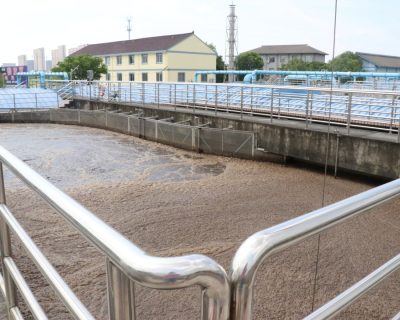
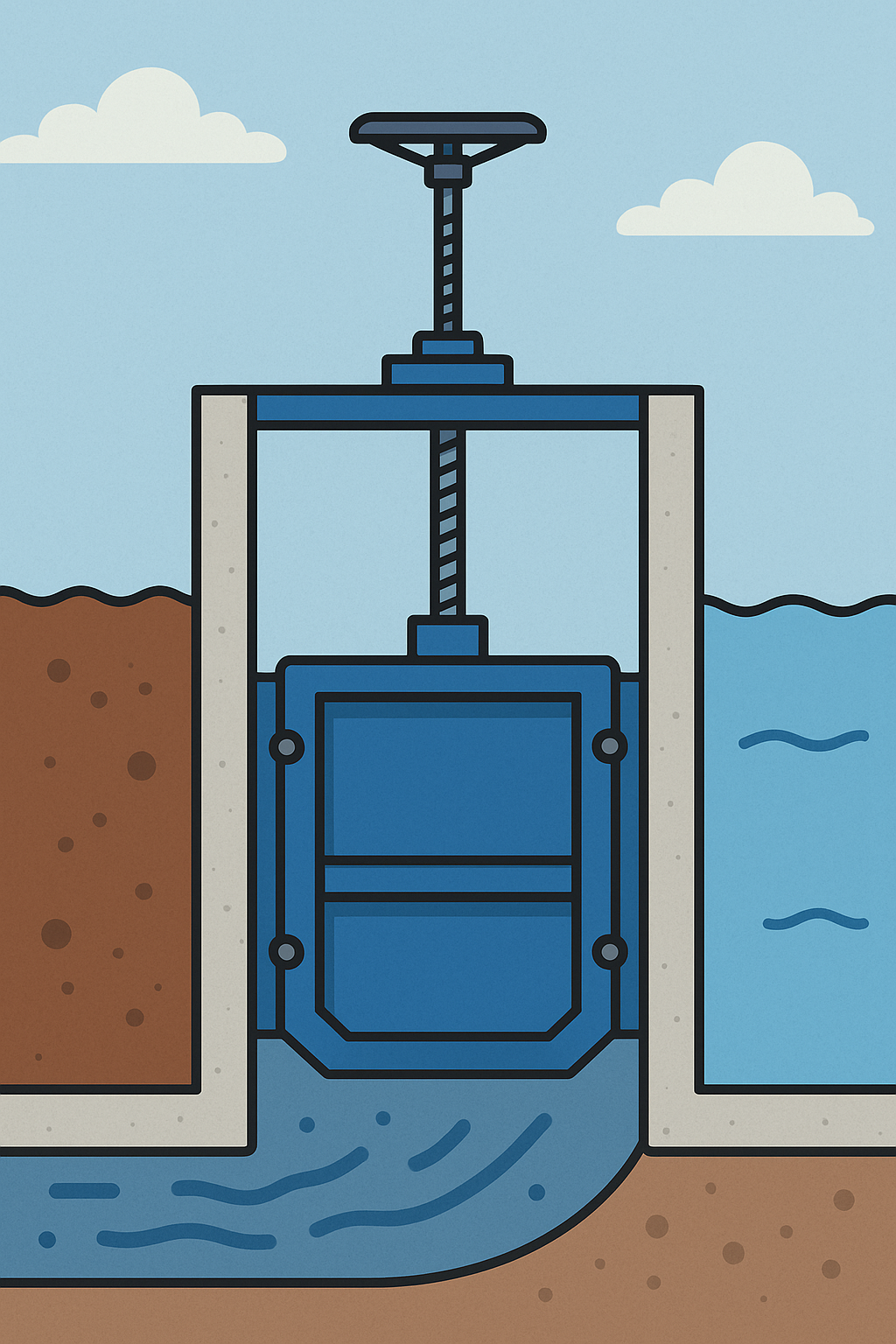
A penstock is a water control gate that manages flow, isolation, or water level in a channel. There are several penstock types, and picking the right one matters. Engineers also call these gates sluice gates or slide gates. However, not every design fits every job. The wrong choice raises maintenance costs and increases the risk of downtime.
Enke Group supplies three main penstock types: weir, wall, and channel. Each type solves a different flow control problem. Below, we explain where each design works best.
- Weir type: overflow and water-level control
- Wall type: watertight isolation between chambers
- Channel type: flexible, retrofit-friendly flow control
Weir Type Penstock: Best for Overflow and Level Control
A weir type penstock sits at the top of a channel or tank wall. It controls overflow instead of full closure. For example, plants use it to hold a steady water level in an aeration basin. Similarly, it works well for diverting extra flow during peak loads.
Enke Group builds these gates from corrosion-resistant materials. As a result, they resist seizing even in harsh wastewater conditions.
Wall Type Penstock: Built for Watertight Isolation
A wall type penstock mounts directly into a concrete wall opening. Therefore, it creates a tight seal between two chambers. Plants often use this design to isolate a tank during maintenance. It also suits any application that needs a fully watertight shutoff.
Our wall type gates use a heavy-duty frame that resists deflection under pressure. Consequently, operators get reliable sealing even at greater depths.
Channel Type Penstock: Flexible Flow Control
A channel type penstock fits inside an open channel, and side rails guide it into place. This design allows flexible placement anywhere along a flow path. For instance, plants install it at screening stations, pump intakes, or bypass lines.
Because the frame is self-contained, it does not need an existing wall penetration. This makes retrofits faster and less disruptive to daily operations.
Manual or Automatic: Which Actuation Fits Your Plant?
Every Enke Group penstock type comes in manual or automatic versions. Manual gates use a handwheel and a rising stem. They suit low-frequency adjustments and tighter budgets.
Automatic gates use an electric actuator instead. Therefore, they suit plants that need remote control or frequent adjustments. Many operators start manual and upgrade later, since our frames accept actuator retrofits without a full gate replacement.
Where Enke Group Penstocks Are Used
Water and wastewater treatment plants are not the only users. Power generation facilities rely on penstocks for water control too. Irrigation networks use them to manage canal flow across large areas. In addition, process plants use penstocks to isolate lines during scheduled maintenance.
Because each site has different pressure heads and channel sizes, Enke Group tailors every gate to the application. This approach avoids the guesswork of generic, off-the-shelf sizing.
Choosing Between Penstock Types: Why Enke Group
Enke Group manufactures every penstock type to order. We match each gate to your channel dimensions, pressure head, and material needs. Additionally, our team supports municipal, industrial, and irrigation projects worldwide.
See our full penstock range for technical specifications and design options. You can also learn more about how sluice gates work in flow control systems generally.
In summary, matching your penstock types to your application prevents costly downtime. If you are unsure which type fits your project, our engineers can help. In short, contact Enke Group today to request a technical recommendation and quote.