

Blog
MBBR Media for Brewery Wastewater | Enke Group
Every brewery makes great beer, yet it also makes strong wastewater. MBBR media for brewery wastewater gives brewers a compact and stable way to treat that load. In this post, we explain why the process works so well. We also show how Enke Group biofilm carriers help you stay compliant.
Why Brewery Wastewater Is Hard to Treat
Brewery effluent is rich in sugars, yeast, spent grain and alcohol. As a result, its organic load is often many times higher than domestic sewage. This high COD can overload a small treatment plant very quickly.
In addition, the flow is rarely steady. Brewing, packaging and cleaning all run on different schedules. Cleaning-in-place (CIP) cycles also send caustic and acid rinses down the drain. Therefore, pH, temperature and load can swing sharply within a single day.
Many breweries also face strict discharge limits and rising sewer fees. For example, municipal pretreatment rules often set firm limits on BOD and pH. You can read more about these rules in the U.S. EPA National Pretreatment Program.
How MBBR Media for Brewery Wastewater Works
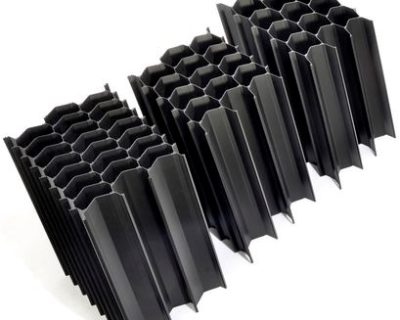
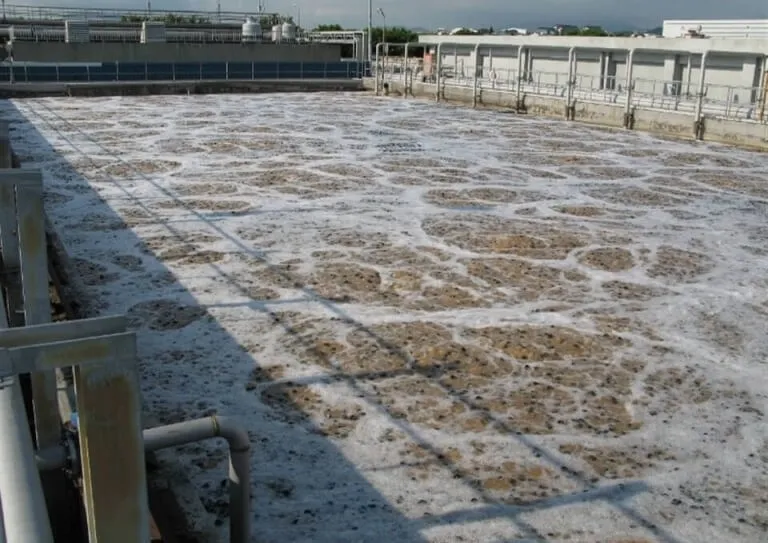
A Moving Bed Biofilm Reactor (MBBR) uses thousands of small plastic carriers. These carriers move freely in an aerated tank. Bacteria grow as a thin biofilm on their protected inner surfaces. Then, that biofilm breaks down the dissolved sugars and alcohols in your wastewater.
Because the biomass stays on the carriers, it does not wash out during peak flows. In fact, this is the main reason MBBR handles shock loads so well. Moreover, the system needs no sludge return line. Operators simply keep the media moving and the air supply steady.
Brewers often use MBBR in two ways:
- Pretreatment: a high-rate MBBR stage cuts COD before discharge to the city sewer.
- Full treatment: MBBR is followed by settling or filtration for direct discharge or water reuse.
What Makes Enke Group MBBR Media Different
Not all carriers perform the same way. For this reason, Enke Group designs its MBBR media for long, trouble-free service in demanding industrial water.
- Virgin HDPE: our carriers use only virgin high-density polyethylene. As a result, they resist caustic and acid CIP rinses and keep their shape for years.
- 19-chamber design: the inner chambers protect the biofilm from wear. Consequently, more active biomass stays in your tank.
- High protected surface area: more surface means more bacteria per cubic meter. Thus, you can treat more load in a smaller tank.
- Even mixing: the carrier density suits standard aeration grids. In short, the media moves well without dead zones.
Practical Benefits for Brewers
A brewery MBBR fits on a small site. Similarly, it can often be built inside an existing tank. This makes it a good choice for craft breweries that are growing fast.
The process also recovers quickly after a holiday shutdown or a bad CIP dump. Besides that, operation stays simple for small teams. Most plants need only routine checks of air flow, pH and media movement.
Lower discharge loads can also cut your sewer surcharges. Over time, these savings help the system pay for itself. Many brewers also see a clear gain in their sustainability reports.
If you already process food or drink, our guide on MBBR media for food and beverage wastewater offers more useful tips.
Talk to Enke Group About Your Brewery
Every brewery has its own recipe, flow pattern and discharge permit. That is why our team sizes each MBBR project around your real data. We help you choose the right media volume, fill ratio and aeration setup.
Ready to treat your brewery wastewater with confidence? Contact Enke Group today for a free technical review and a quote for our MBBR media.