

Blog
MBBR Media for Pharmaceutical Wastewater | Enke Group
Drug plants produce some of the most complex wastewater in industry. MBBR media for pharmaceutical wastewater gives these sites a robust biological step that copes with change. In this post, we explain why the process suits pharma effluent so well. We also show how Enke Group biofilm carriers support stable, compliant treatment.
Why Pharmaceutical Wastewater Is a Challenge
Pharma effluent changes from batch to batch. One day the plant runs a solvent-heavy synthesis. The next day, it cleans reactors with strong detergents. As a result, COD, pH and toxicity can shift within hours.
In addition, some compounds slow down or even harm bacteria. Antibiotics, solvents and active ingredients are common examples. Therefore, a fragile biological process can lose its biomass after a single bad batch.
Discharge rules for this sector are also strict. For example, the U.S. EPA Pharmaceutical Manufacturing Effluent Guidelines set firm limits for many pollutants. Similar rules apply in Europe and Türkiye.
How MBBR Media for Pharmaceutical Wastewater Helps
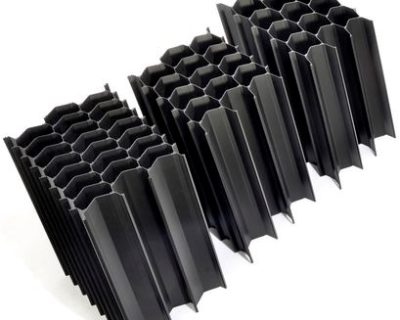
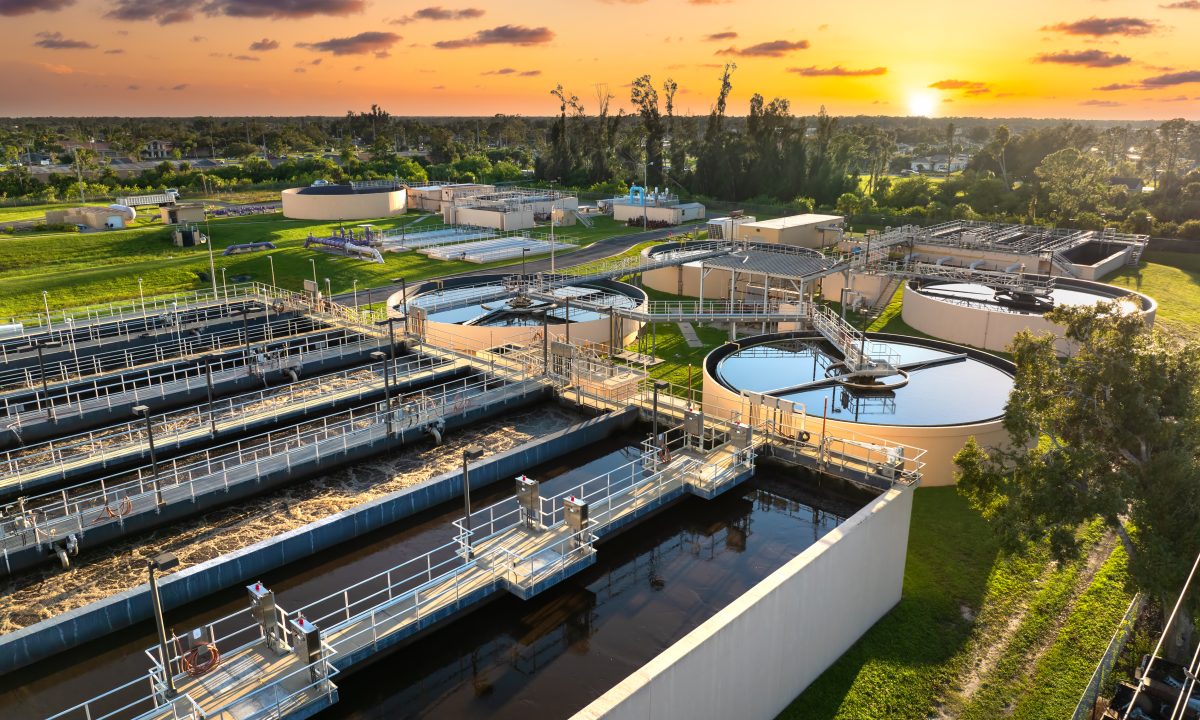
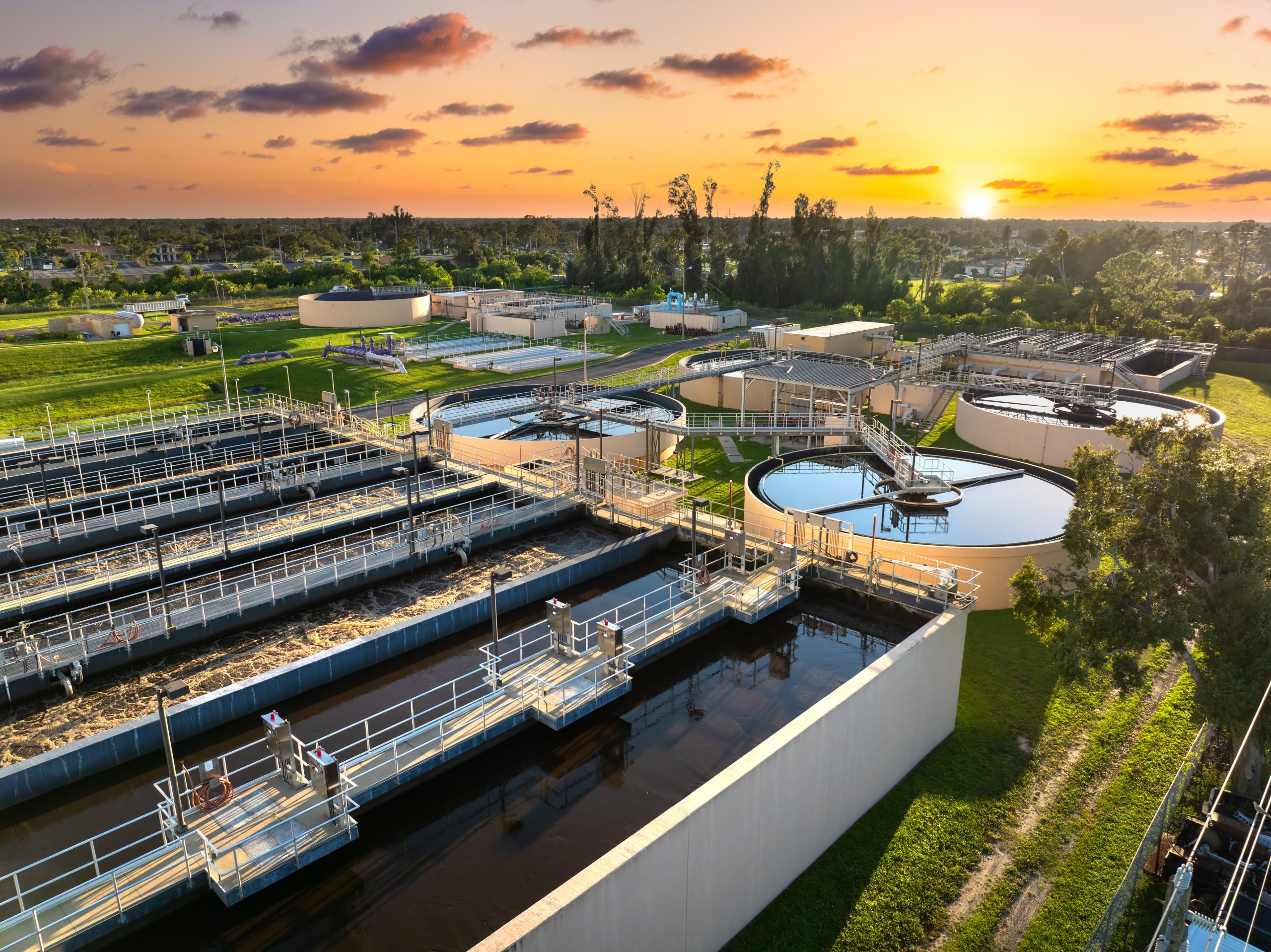
A Moving Bed Biofilm Reactor (MBBR) uses thousands of small plastic carriers. These carriers move freely in an aerated tank. Bacteria grow as a biofilm inside their protected chambers. Then, this biofilm breaks down the dissolved organic load.
Biofilm is tougher than free-floating sludge. In fact, its outer layers shield the inner bacteria from sudden toxic peaks. Moreover, the biomass stays on the carriers, so it does not wash out. As a result, the system recovers much faster after an upset.
Pharma sites often use MBBR in these ways:
- High-rate pretreatment: an MBBR stage cuts the bulk COD before the main plant.
- Polishing step: an MBBR after activated sludge removes the last, slow-to-degrade organics.
- Nitrogen removal: dedicated MBBR stages handle ammonia from process streams.
Why Choose Enke Group MBBR Media
Harsh industrial water needs a carrier that lasts. For this reason, Enke Group builds its MBBR media for long service in demanding plants.
- Virgin HDPE: we use only virgin high-density polyethylene. Consequently, the carriers resist chemicals and keep their shape for years.
- 19-chamber design: the inner chambers protect the biofilm from wear and shock. Thus, more active bacteria stay in your reactor.
- High protected surface area: more surface means more biomass per cubic meter. In short, you treat more load in a smaller tank.
- Even mixing: the carrier density suits standard aeration grids. Similarly, it avoids dead zones and media clumping.
Practical Benefits for Pharma Plants
An MBBR has a small footprint. Besides that, you can often install it inside an existing tank. This matters on crowded production sites with little free space.
Operation also stays simple. Most plants only need routine checks of air flow, pH and media movement. Additionally, there is no sludge return line to manage.
Stable treatment also protects your discharge permit. Over time, fewer upsets mean lower risk, fewer fines and calmer audits. If your site also handles chemical streams, read our guide on MBBR media for chemical wastewater.
Talk to Enke Group About Your Site
Every pharma plant has its own products, batch cycle and permit limits. That is why our team sizes each MBBR project around your real data. We help you choose the right media volume, fill ratio and aeration setup.
Ready to make your treatment more resilient? Contact Enke Group today for a free technical review and a quote for our MBBR media.