

Blog
Bar Screen Spacing: Choose the Right Gap | Enke Group
Bar screen spacing decides how well your plant protects its pumps. A gap that is too wide lets rags and plastics through. A gap that is too narrow clogs fast and raises your workload. In short, the right spacing saves money every day.
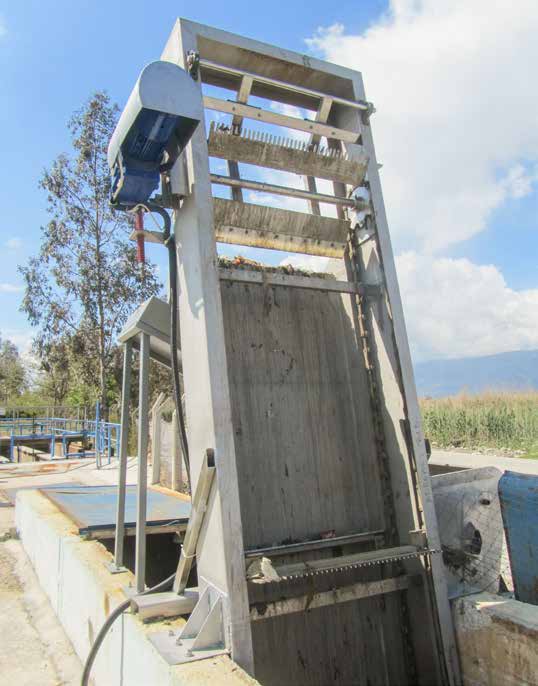
Enke Group builds stainless steel mechanical bar screens for municipal and industrial plants. This guide shows how to pick the spacing that fits your flow.
What Bar Screen Spacing Means
Spacing is the clear gap between two bars. Coarse screens use gaps of 20 to 50 mm. Fine screens use gaps of 3 to 10 mm. As a result, each type removes a different size of debris.
Coarse screens go first at the inlet. They stop large items such as branches and rags. Then, fine screens catch the smaller solids that pass through.
How to Choose Bar Screen Spacing
Start with your downstream equipment. For example, pumps and mixers need protection from stringy material. Therefore, check the pump maker’s limit before you pick a gap.
Next, look at your wastewater type. Food plants often carry fats and small solids. Meanwhile, municipal plants see more rags and wipes. For that reason, many plants use two screens in a row.
Flow rate matters too. A tight gap raises water speed through the bars. However, too much speed pushes debris through the screen. Consequently, size the channel so the speed stays in a safe range.
Why Enke Group Bar Screens Perform Better
Our screens use stainless steel bars that resist corrosion. They also keep their shape under heavy loads. In addition, the automatic rake cleans the bars without stopping the flow.
- Stainless steel build: resists rust and harsh wastewater.
- Custom spacing: we match the gap to your process.
- Automatic raking: clears debris and cuts manual labor.
- Easy maintenance: simple parts keep downtime low.
Common Spacing Mistakes
Many plants pick the gap by habit. For instance, they copy an old design without checking the new load. As a result, screens clog or let damaging solids pass.
Another mistake is skipping a test of peak flow. Storm events can double the load in minutes. Therefore, always design for the highest expected flow.
To learn more about screen types, read our guide on mechanical bar screens for wastewater treatment. You can also read this overview of bar screens.
Talk to Enke Group
Need help choosing bar screen spacing? Our engineers can review your flow and debris type. Contact Enke Group today for a consultation. We will recommend a screen that protects your plant for years.