

Blog
MBBR Media for Pulp and Paper Mills | Enke Group
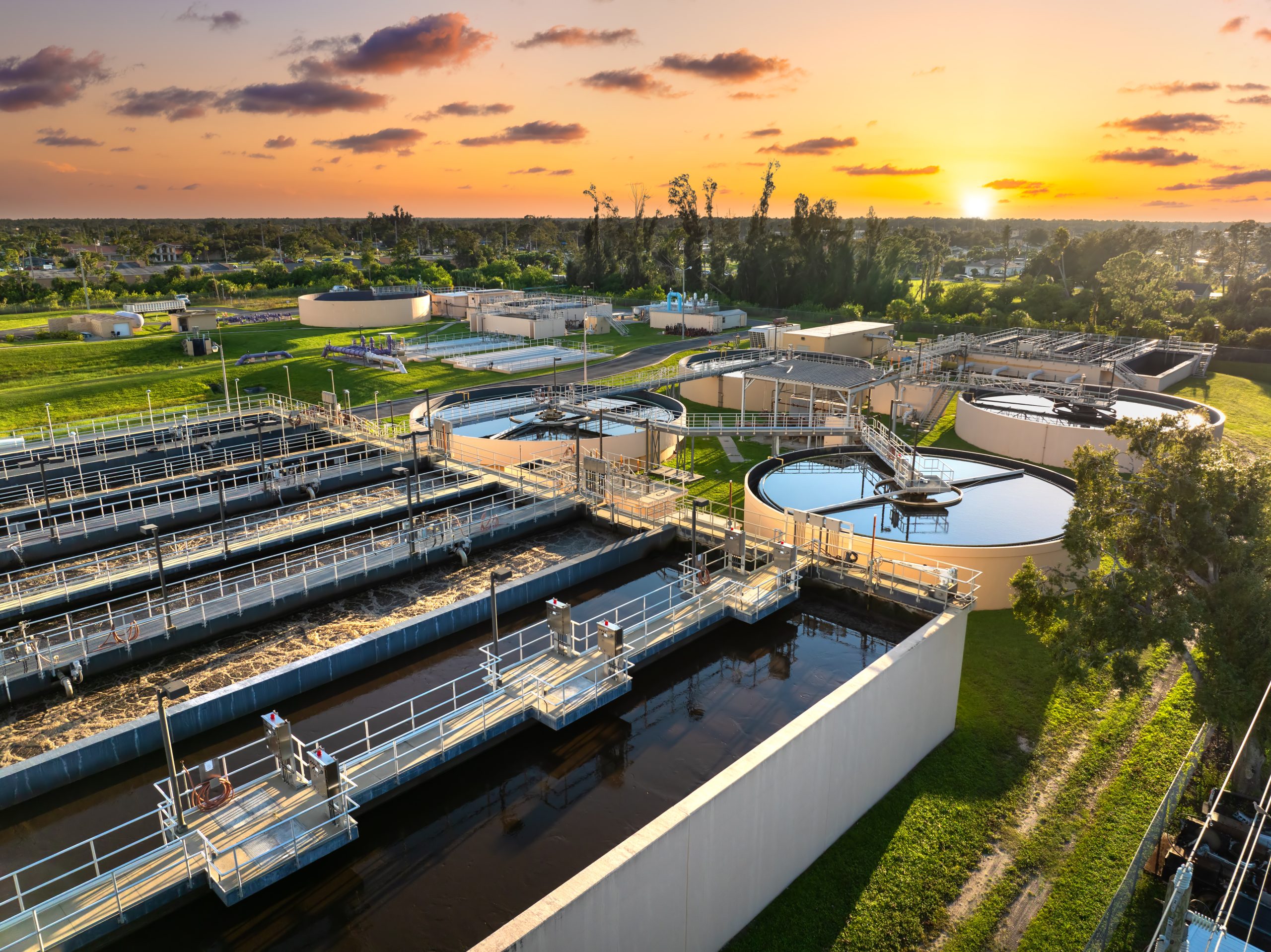
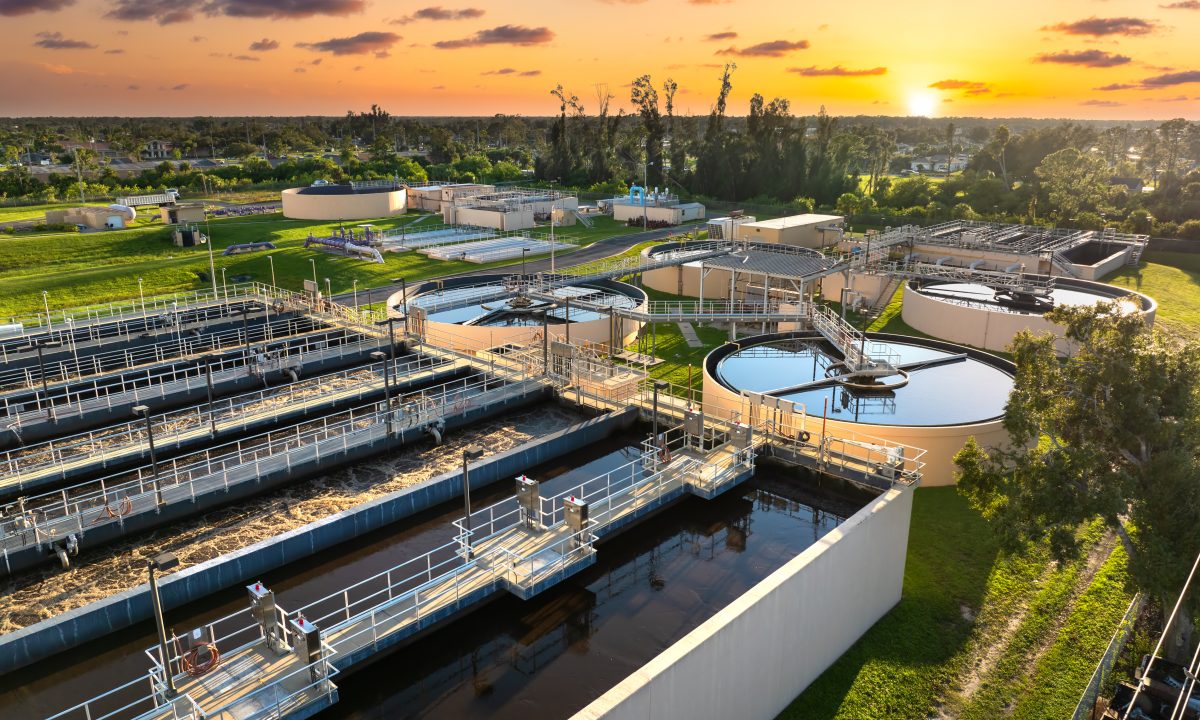
MBBR media for pulp and paper mills solves a hard problem. In short, mill effluent carries high COD, fibre and resin acids. Moreover, flow and strength change with every grade shift. As a result, many plants struggle to hold their discharge limits. Enke Group builds carriers designed for this exact duty.
Why Pulp and Paper Effluent Is Hard to Treat
Mill wastewater is warm, strong and variable. Fibre fines gather in dead zones. Resin acids and lignin slow the bacteria down. Furthermore, seasonal shutdowns interrupt the biology. Therefore, a robust biofilm beats a delicate one every time.
A fixed biofilm holds on through these swings. Consequently, the process recovers faster after a stop. In fact, many mills see steady COD removal within days.
What MBBR Media for Pulp and Paper Delivers
- High COD removal. Dense biofilm handles strong organic load.
- Small footprint. Mills rarely have spare land.
- Shock tolerance. Grade changes no longer upset the process.
- Less sludge. Biofilm systems waste less than activated sludge.
- Easy restart. Carriers keep biomass through shutdowns.
Many mills add MBBR ahead of an existing plant. For example, a roughing stage can cut COD by half. In that case, the downstream stage finally breathes.
Why Carrier Quality Matters Even More Here
Fibre and grit grind away weak plastic. Our MBBR media uses virgin HDPE, never recycled scrap. Therefore, the wall thickness stays even across every carrier. The 19-chamber design shields biofilm deep inside. As a result, abrasion touches the surface, not the active core.
Density control matters just as much. Our carriers sit very close to the density of water. Consequently, they circulate with modest aeration energy. Moreover, even mixing prevents the dead spots that fibre loves.
Sizing an MBBR Stage for Your Mill
Start with a proper effluent survey. Measure COD, BOD, TSS, temperature and flow across a full production cycle. Next, decide whether you need roughing or full treatment. Our engineers then size MBBR media for pulp and paper duty with your own numbers.
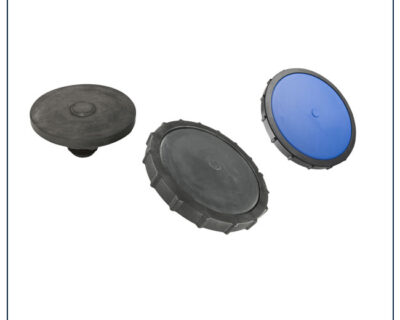
Most mill projects run at 40% to 60% fill. However, a heavy fibre load pushes the screen design harder. Wedge-wire retention screens keep carriers inside the tank. In addition, coarse bubble grids often suit fibre-rich basins better.
For discharge background, see the US EPA pulp and paper effluent guidelines. Similarly, our article on MBBR media for textile wastewater covers a related industrial case.
Get a Proposal from Enke Group
Every mill runs differently. In many cases, a compact MBBR stage fixes a long-standing limit problem. Send us your effluent data and tank drawings. Our team will return a media volume, a fill ratio and a delivery schedule. Ask Enke Group today about MBBR media for pulp and paper plants.