

Blog
MBBR Media for Aquaculture | Enke Group
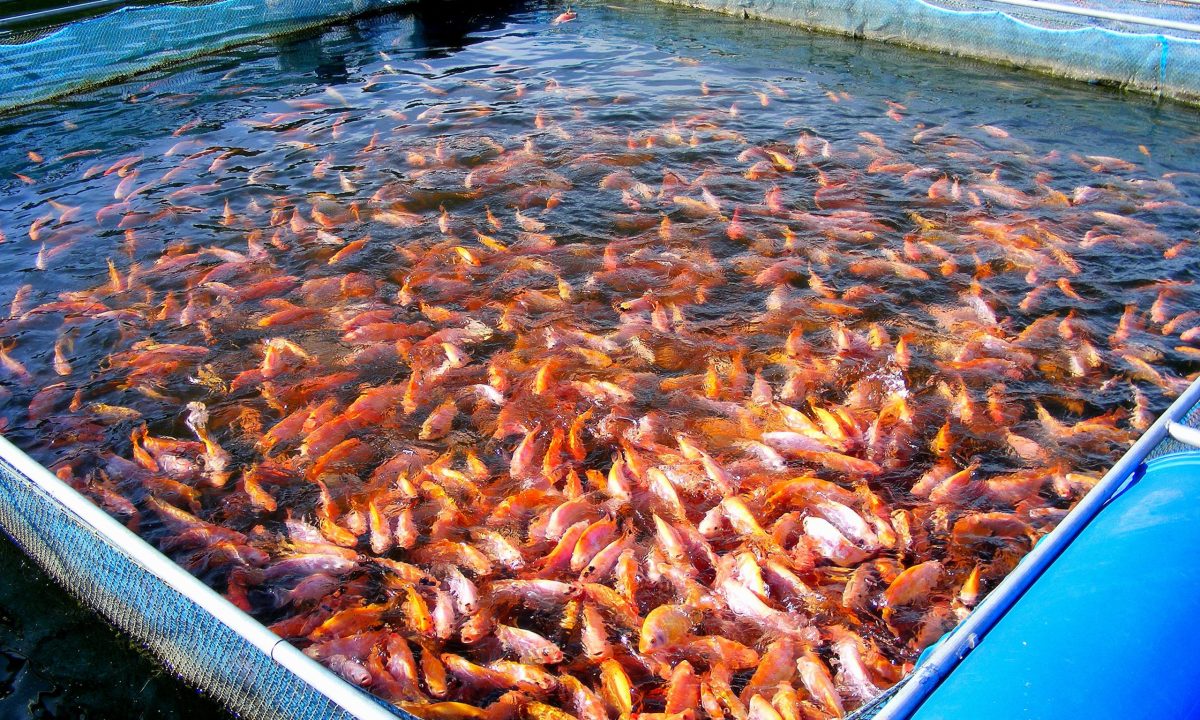
MBBR media for aquaculture keeps fish farms healthy and productive. Recirculating aquaculture systems (RAS) pack thousands of fish into a small footprint. This puts constant pressure on water quality. Ammonia and nitrite can spike fast in a crowded tank. Enke Group’s biofilm carriers give beneficial bacteria a stable home to break these compounds down. As a result, farmers get cleaner water without constant intervention.
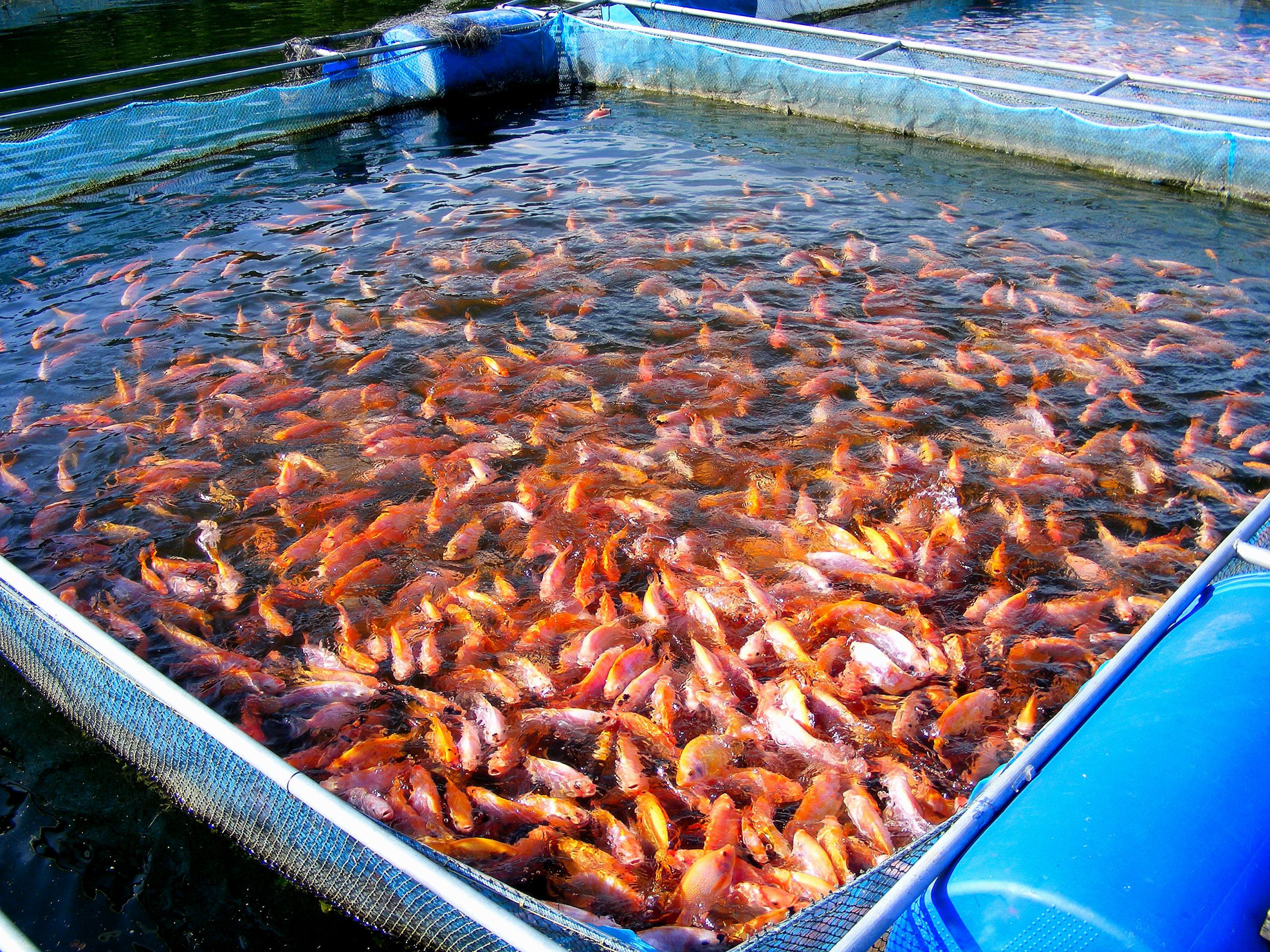
Why Water Quality Makes or Breaks Aquaculture
Fish farming success depends on stable water chemistry. Ammonia builds up quickly when stocking density is high. High ammonia stresses fish and slows growth. It can even trigger disease outbreaks. Traditional filtration alone often cannot keep pace with a busy RAS system. That is why many operators add moving bed biofilm reactor (MBBR) technology to their treatment train.
MBBR Media for Aquaculture: Engineered for RAS Performance
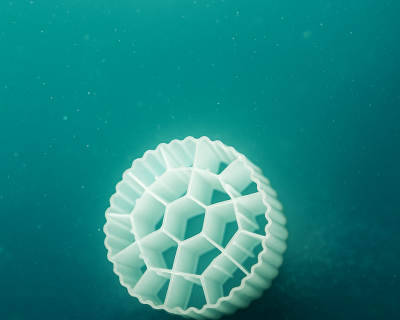
Enke Group manufactures MBBR media from virgin HDPE, not recycled plastic. Virgin HDPE resists degradation and will not leach chemicals into sensitive aquaculture water. Each carrier features a multi-chamber design that protects bacteria from turbulence and predation. This protected structure means more active biomass per cubic meter. More biomass translates directly into faster, more reliable ammonia removal.
Enke Group media offers up to 650 m² of protected surface area per cubic meter. That is enough surface for dense bacterial colonies to thrive. The carriers also feature a 19-chamber internal design that shields biofilm from shear stress. Consequently, colonies stay intact even in fast-flowing RAS tanks. This durability keeps performance consistent through years of continuous operation.
Key Benefits for Aquaculture and RAS Operators
Enke Group’s MBBR media delivers clear, practical benefits for fish farm operators:
- Stable nitrification: Consistent ammonia and nitrite removal, even during feeding spikes.
- Food-safe materials: Virgin HDPE carries no risk of contaminating live fish stock.
- Compact footprint: High surface area per chamber reduces the tank space needed.
- Low maintenance: Durable carriers resist clogging and rarely need replacement.
- Energy efficiency: Efficient mixing lowers aeration and pumping costs over time.
These benefits add up over the life of a facility. Lower maintenance means fewer shutdowns and less labor. Efficient aeration lowers electricity bills month after month. In short, better media pays for itself.
Where This Technology Fits in Aquaculture Operations
Enke Group’s MBBR media for aquaculture suits many settings. Recirculating systems for salmon, trout, and tilapia all benefit from stable biofiltration. Shrimp hatcheries use the same technology to protect sensitive larvae. Ornamental fish farms rely on it too, since water clarity affects sale value directly. For guidance on matching media type to tank size, see our MBBR media selection guide.
Water quality standards for aquaculture keep tightening worldwide. Organizations such as NOAA Fisheries highlight biosecurity and water treatment as top priorities for sustainable fish farming. Choosing durable, food-safe MBBR media helps operators meet these standards without costly redesigns.
Ready to upgrade your aquaculture biofiltration? Enke Group’s engineering team can help you size the right MBBR media for your RAS system. Contact us today to discuss your project and request a sample.