

Blog
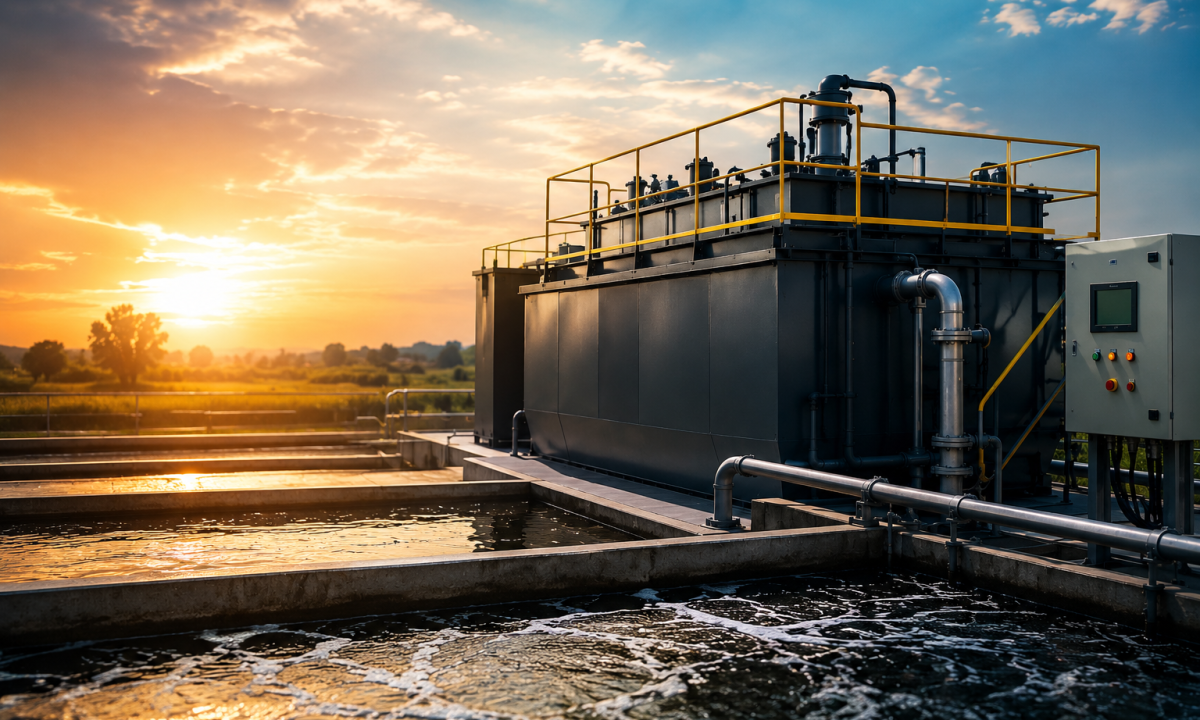
Compact Wastewater Treatment with MBBR Technology: Why Modern Plants Prefer Smaller Footprints
As urbanization and industrial growth continue, wastewater treatment facilities face increasing pressure:
- Less available land
- Higher treatment demands
- Stricter discharge regulations
- Rising construction costs
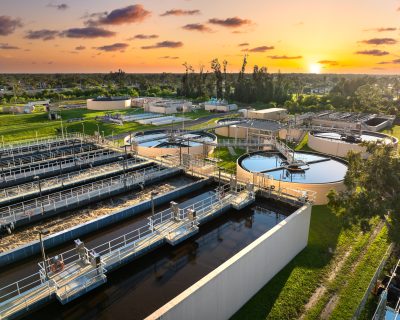
Traditional biological treatment systems often require large basins and extensive infrastructure.
This is one reason why many modern facilities are turning to:
MBBR (Moving Bed Biofilm Reactor) technology.
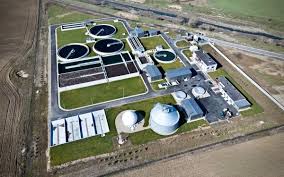
MBBR systems provide high biological treatment efficiency while significantly reducing the required plant footprint.
For industries, municipalities, hotels, resorts, and decentralized treatment applications, compact design is becoming one of the biggest advantages of MBBR.
1. Why Footprint Matters More Than Ever
In the past, wastewater treatment plants were often built far from urban areas where land was inexpensive.
Today, the situation is very different.
Modern facilities must often operate:
- Inside industrial zones
- Near residential developments
- In space-limited facilities
- Within existing treatment plant expansions
Land cost and available installation area have become major engineering constraints.
Compact treatment is no longer a luxury — it is a necessity.
2. How MBBR Achieves Higher Treatment Capacity in Smaller Volume
The key difference in MBBR systems is attached biomass growth on carrier media.
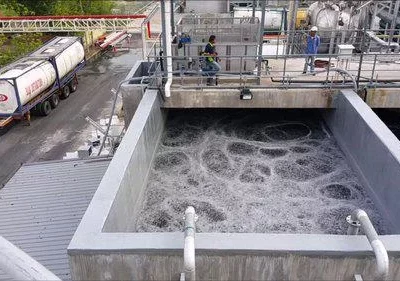
Instead of relying only on suspended biomass, microorganisms grow on protected media surfaces inside the reactor.
This creates:
- Higher biomass concentration
- More stable microbial populations
- Increased biological activity per cubic meter
As a result:
- Smaller reactors can achieve high treatment efficiency
- Existing plants can increase capacity without major expansion
- Retrofit projects become easier
MBBR allows engineers to maximize treatment performance inside limited space.
3. Media Surface Area Increases Biological Efficiency
Carrier media provides large protected surface areas where biofilm develops.
This means:
- More bacteria inside the same reactor volume
- Higher COD and ammonia removal capacity
- Improved process stability
Instead of building larger tanks, MBBR systems increase biological efficiency internally.
This is one of the biggest reasons compact MBBR systems are becoming more popular globally.
4. MBBR Is Ideal for Plant Upgrades and Retrofits
Many existing wastewater plants face capacity problems because:
- Influent flow has increased
- Regulations became stricter
- Industrial production expanded
However, building entirely new plants is expensive.
MBBR technology offers an efficient upgrade solution because:
- Existing tanks can often be reused
- Civil construction is minimized
- Capacity can be increased within the same footprint
This reduces:
- Capital expenditure
- Downtime
- Construction complexity
5. Compact Design Improves Operational Flexibility
Smaller systems also create operational advantages.
Compact MBBR plants are often:
- Easier to automate
- Faster to install
- Simpler to expand modularly
- Easier to integrate into containerized systems
This is especially valuable for:
- Remote facilities
- Hotels and resorts
- Mining camps
- Food processing plants
- Decentralized wastewater treatment
6. Compact Does Not Mean Low Performance
One common misconception is that compact systems sacrifice efficiency.
In reality, properly designed MBBR systems can achieve:
- High COD removal
- Stable nitrification
- Shock load resistance
- Reliable long-term operation
The key is correct:
- Media selection
- Aeration design
- Hydraulic balance
- Process control
Compact engineering works when biology and hydraulics are designed together.
7. The Future of Wastewater Treatment Is Smarter, Not Bigger
The industry is shifting away from oversized infrastructure toward:
- Higher process intensity
- Smarter reactor design
- Modular treatment systems
- Energy-efficient operation
MBBR technology aligns perfectly with this direction.
Instead of solving problems by building larger tanks, engineers can solve them through higher biological efficiency.
Conclusion
MBBR technology is transforming wastewater treatment by enabling:
- Smaller footprints
- Higher biological efficiency
- Easier plant upgrades
- Flexible modular operation
As land costs rise and environmental regulations tighten, compact treatment solutions will become even more important.
Modern wastewater treatment is no longer about building bigger systems.
It is about building smarter systems.
And MBBR is one of the technologies leading that transition.