

Blog

MBBR Media for Textile Wastewater | Enke Group
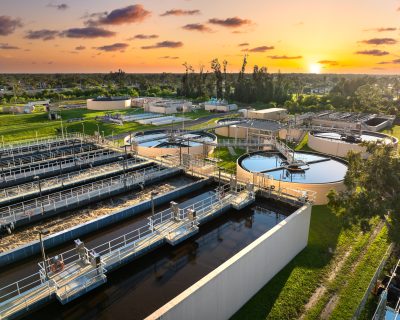
MBBR media for textile wastewater helps dye houses meet discharge limits with a compact plant. Textile effluent is hard to treat. However, a biofilm carrier from Enke Group gives bacteria a stable home. As a result, your plant stays steady when the load changes.

Why Textile Effluent Is Difficult
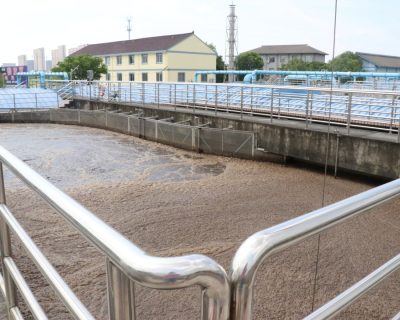
Textile mills discharge dyes, salts, and starch-based sizing agents. In addition, the flow and color change from batch to batch. Many suspended-growth plants struggle with these swings. Therefore, operators often face sludge problems and unstable removal.
A fixed biofilm handles this better. The bacteria cling to the carrier instead of washing out. Consequently, the biomass stays in the tank even during shock loads.
How Enke Group Media Performs
Enke Group carriers use virgin HDPE. This material resists dyes, salts, and mild chemicals. In fact, the plastic does not absorb color or break down quickly. Moreover, each carrier has a protected, multi-chamber design with a high surface area.
- Virgin HDPE: it stays strong in salty, colored water.
- Protected chambers: biofilm grows inside and avoids harsh shear.
- High surface area: more bacteria fit in a small tank.
- Free movement: aeration keeps the carriers mixing, so the biofilm gets oxygen.
Benefits for Dye Houses
Compact footprint matters in busy industrial zones. For example, an MBBR reactor often needs far less space than a conventional tank. Additionally, you can add media to an existing basin. Thus, you raise capacity without new concrete.
Operation is simple as well. The MBBR stage needs no sludge return line. Similarly, the process recovers quickly after a shutdown. In short, your team spends less time on firefighting.
Sizing MBBR Media for Textile Wastewater
Sizing starts with a lab or pilot test. First, measure COD, color, and temperature. Then, choose a fill ratio that fits your load. Most textile plants work with a fill ratio between 30% and 50%.
A good design often pairs MBBR with a coagulation step for color removal. For example, the chemical step can follow the biological stage. You can see how we handle similar loads in our guide to MBBR media for chemical wastewater treatment. The same logic applies to many dye house effluents.
Discharge rules differ by country. For this reason, check your local limits early. The U.S. EPA textile mills effluent guidelines offer helpful background on typical standards.
Talk to Enke Group
Enke Group supplies MBBR media for textile wastewater projects of every size. Our team can review your effluent data. Then, we suggest a media type and a fill ratio. Contact Enke Group today to request a quote.