

Blog
MBBR Ammonia Removal: How Biofilm Carriers Drive Reliable Nitrification
Ammonia removal is one of the toughest challenges in biological wastewater treatment. However, MBBR ammonia removal offers a dependable solution for plants that need consistent nitrification.
Enke Group’s MBBR media gives nitrifying bacteria a stable, protected surface to grow on. As a result, plants achieve lower effluent ammonia levels without expanding their footprint.
Why Nitrification Is Hard to Control
Nitrifying bacteria grow slowly. Therefore, they need a stable environment to establish and stay attached inside the reactor.
Activated sludge systems often lose these bacteria during shock loads or sludge wasting. Consequently, ammonia removal becomes unreliable.
MBBR media solves this problem directly. The protected biofilm inside each carrier shields nitrifiers from washout, even when flow rates spike.
How MBBR Media Supports Stable Nitrification
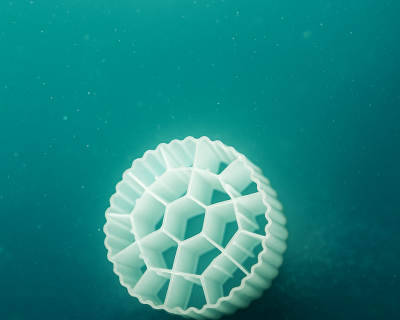
Each carrier provides a large protected surface area for biofilm growth. Additionally, the carrier’s chamber design shelters nitrifying bacteria from mechanical shear.
This protection matters because nitrifiers are far more sensitive to turbulence than heterotrophic bacteria. For example, aggressive mixing can strip a thin biofilm layer in minutes.
Enke Group’s virgin HDPE media resists this stress. Meanwhile, its high surface area keeps enough active biomass in the reactor to handle ammonia loading swings.
MBBR vs. Traditional Suspended Growth Systems
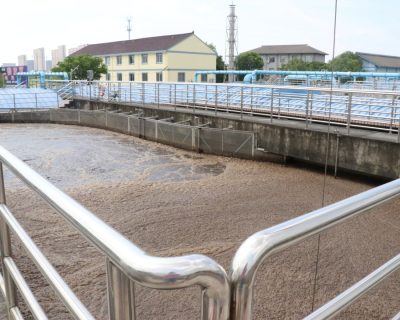
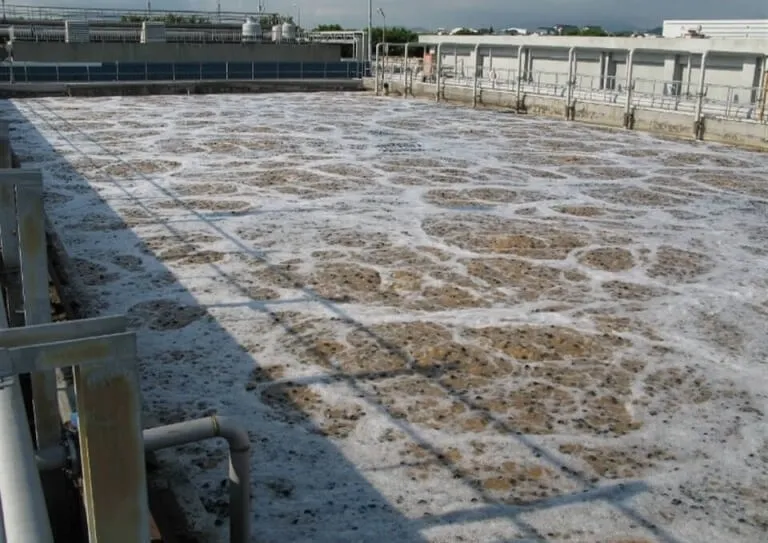
Conventional activated sludge relies entirely on suspended biomass. As a result, nitrifiers wash out easily whenever sludge age drops or flow surges.
MBBR media changes this dynamic. Because the biofilm stays attached to the carrier, nitrifying bacteria remain in the reactor regardless of hydraulic swings.
Therefore, plants converting from suspended growth to MBBR often see faster nitrification recovery after upsets.
Key Design Factors for Ammonia Removal
Several design choices influence how well an MBBR system performs nitrification.
- Dissolved oxygen levels above 2 mg/L support healthy nitrifier growth
- A fill ratio matched to influent ammonia load prevents underperformance
- Sufficient hydraulic retention time allows biofilm to mature
- Consistent aeration protects nitrifiers from oxygen swings
In short, the media itself only performs well when paired with the right operating conditions. Enke Group’s engineering team helps size systems around these factors from the start.
Real-World Benefits for Industrial and Municipal Plants
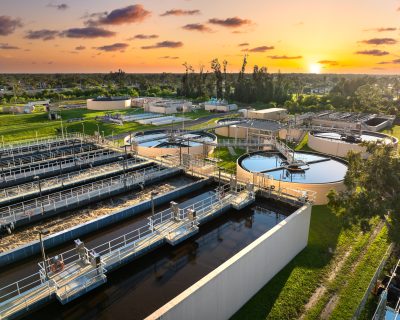
Plants facing tightening ammonia discharge limits often need a solution that fits inside existing tanks. MBBR retrofits address this directly, since carriers can be added to current basins without major construction.
Furthermore, MBBR media handles variable industrial loads better than many alternatives. For instance, food and beverage plants see steadier nitrification even during seasonal production swings.
To learn more about matching media volume to your reactor, see our guide to MBBR media fundamentals. For regulatory background on nitrification, the EPA’s nitrification fact sheet offers useful technical detail.
Choosing the Right MBBR Media for Ammonia Removal
Not every biofilm carrier performs equally. Consequently, material quality and chamber geometry both affect nitrification performance over time.
Enke Group manufactures MBBR media from 100% virgin HDPE, engineered specifically for long-term biofilm stability. As a result, plants get consistent ammonia removal without frequent media replacement.
Conclusion
Reliable MBBR ammonia removal depends on protecting nitrifying bacteria and matching media to your actual load. With the right carrier design, plants can meet strict ammonia limits while keeping operating costs low.
Contact Enke Group to discuss which MBBR media configuration fits your nitrification target.