

Blog
MBBR Media for Food and Beverage Wastewater | Enke Group
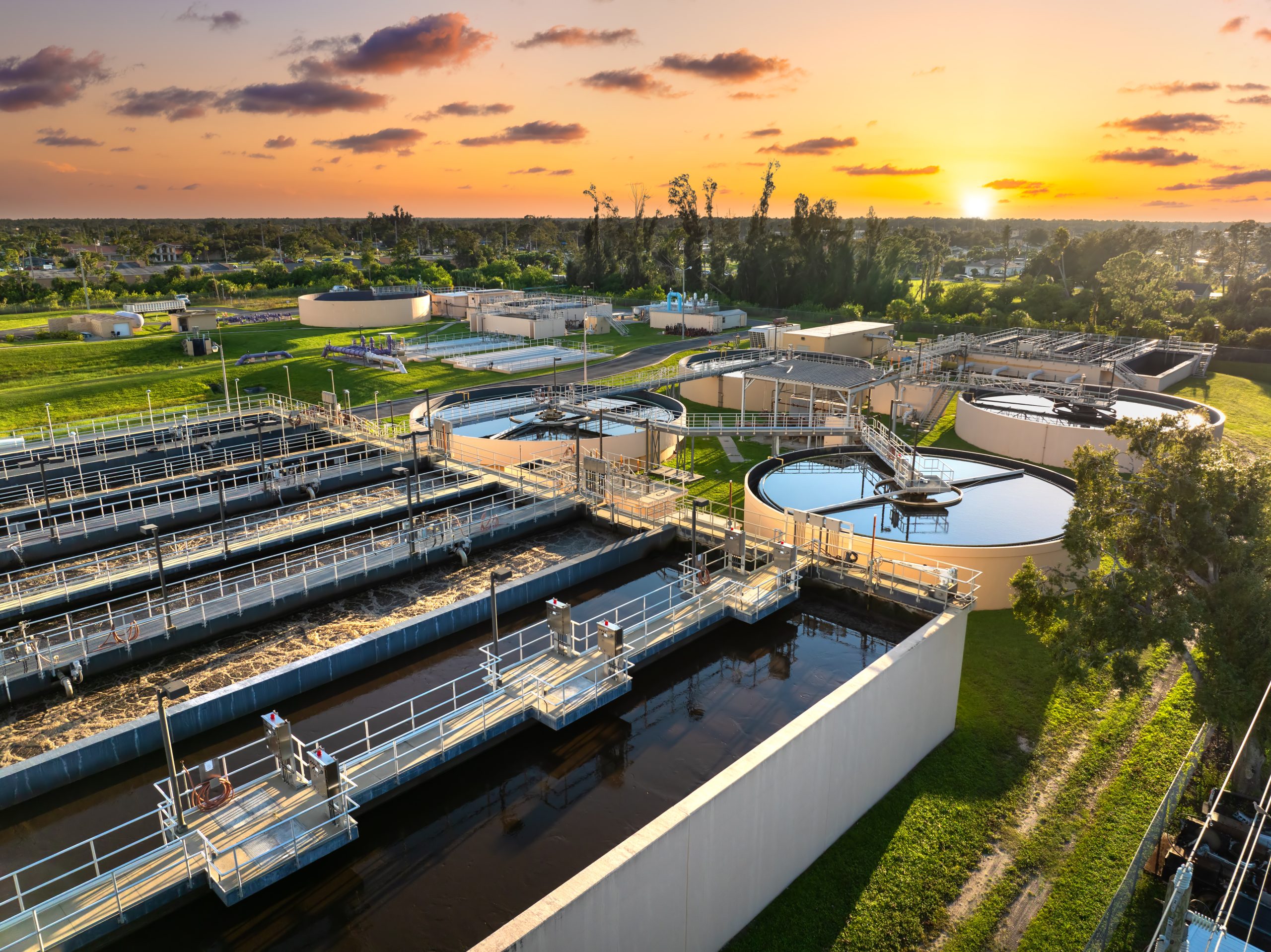
MBBR media for food and beverage wastewater helps plants handle heavy, changing loads. Dairies, breweries, and juice makers all face this challenge. However, a compact MBBR system copes with it well. In this post, we explain why.
Why Food and Beverage Wastewater Is Hard to Treat
Food plants produce water that is rich in sugars, fats, and proteins. As a result, the organic load is high. For example, a brewery can reach several thousand mg/L of COD.
The load also changes by the hour. Cleaning cycles and production batches cause sudden peaks. Therefore, a treatment system needs a buffer against shocks.
Many plants also have little space. Meanwhile, discharge limits keep getting tighter. In short, operators need more treatment in less room.
How MBBR Media Solves These Problems
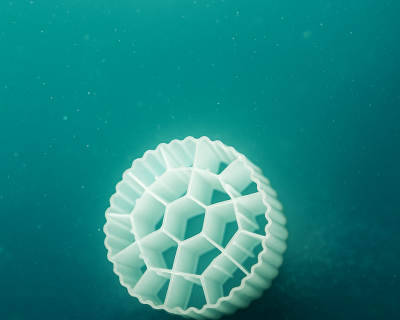
Small plastic carriers move freely inside the aerated tank. Bacteria grow on their protected surfaces. Because the biofilm stays on the carriers, it holds a large amount of biomass.
This dense biomass absorbs load peaks well. Additionally, the process needs no sludge return. Consequently, operation stays simple and stable. You can read more about the process in this MBBR overview.
What Makes Enke Group Media Different
Enke Group carriers use virgin HDPE. This material resists fats, cleaning chemicals, and wear. Moreover, the chamber design protects the biofilm from rubbing.
The carriers also offer a large surface area. In fact, more surface means more bacteria in the same tank. For example, a plant can often treat more load without building new tanks.
Quality matters for cost as well. Our guide on MBBR media cost shows why good carriers save money over time.
Typical Food and Beverage Applications
MBBR systems suit many food industries. Dairies, breweries, and juice plants use them often. Similarly, meat processors and bakeries benefit from the same design.
Each of these plants has strong, uneven wastewater. However, the biofilm adapts to the changes. As a result, effluent quality stays steady.
Key Benefits for Food Plants
- Shock load tolerance: The biofilm handles sudden peaks.
- Small footprint: You need less tank volume.
- Easy operation: There is no sludge recycle to manage.
- Long life: Virgin HDPE carriers last for years.
Tips for a Successful Start
First, check your COD and fat levels. Next, remove large solids and grease before the MBBR tank. Then, pick the right fill ratio for your load.
Also, start the reactor with a steady feed. This helps the biofilm grow faster. After that, you can raise the load step by step.
Talk to Enke Group
Every food plant is different. Therefore, we size the media to your wastewater data. Contact Enke Group today, and our team will suggest the best MBBR media for food and beverage wastewater at your site.