

Blog

Diffuser Membrane Maintenance: Stop Fouling Before It Costs You
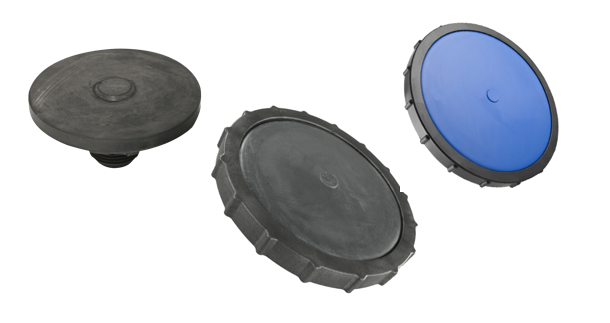
Diffuser membrane maintenance decides how long your aeration system stays efficient. Diffuser membrane fouling is the single biggest reason blowers work harder than they should. As a result, oxygen transfer drops and energy bills climb. The good news: most fouling problems are preventable. In this guide, we explain why fouling happens, what it costs, and how the right membrane makes maintenance simple. Enke Group’s fine bubble diffusers use EPDM membranes designed to resist fouling from day one.
Why Diffuser Membrane Fouling Happens
Every fine bubble diffuser sits in contact with mixed liquor, grease, and minerals. Over time, these materials collect on the membrane surface. As a result, tiny perforations that release air begin to clog. We call this buildup fouling. It happens to every diffuser eventually.
However, the speed of fouling depends heavily on membrane material. Ceramic diffusers scale quickly and are hard to restore. Rubber membranes, like the EPDM used in Enke Group diffusers, resist bacterial buildup far better. For example, cleaned ceramic diffusers typically return to only 80-90% of original performance, based on published research. Rubber membranes therefore need less frequent cleaning overall.
The Real Cost of Ignoring Backpressure
Fouling does not just reduce oxygen transfer. It also raises backpressure across the whole diffuser grid. Since backpressure rises, blowers must work harder, which pushes energy costs up fast.
Moreover, left unchecked, this cycle increases wear on blower bearings and seals. Eventually, you face unplanned downtime and costly repairs. In short, a fouled membrane is rarely just a small problem. It becomes a plant-wide efficiency issue within months, not years.
How Enke Group Diffusers Resist Fouling
Enke Group builds its fine bubble diffusers with virgin EPDM membranes, not recycled or blended rubber. This material stays flexible for years, and that flexibility keeps the perforations self-cleaning during normal operation.
Additionally, every diffuser uses a precision-punched membrane pattern that spreads air evenly across the surface. Even airflow means less localized clogging over time. Furthermore, the base and body resist UV damage and chemical attack, so they hold up well in harsh industrial basins.
As a result, plants running Enke Group diffusers often need less frequent cleaning. Many stretch toward the long end of the industry’s two-to-five-year cleaning window. That means lower labor costs and fewer blower stress events.
Diffuser Membrane Maintenance Checklist
You do not need a complex program to protect your investment. Follow these steps, and most fouling problems stay under control:
- Inspect diffuser membranes visually every three to six months for scale or biofilm.
- Track backpressure readings monthly and flag any steady upward trend.
- Clean membranes with a soft brush or low-pressure wash, never harsh solvents.
- Replace worn membranes before they crack, typically within eight to twelve years.
- Choose EPDM membranes from the start to reduce fouling frequency overall.
Similarly, keep records of each inspection. In fact, good documentation makes it easy to spot patterns before they become expensive.
Enke Group has supplied virgin EPDM fine bubble diffusers to municipal and industrial plants for years. Consequently, our clients spend less time on unplanned maintenance. Our team can help you size a diffuser grid, plan a maintenance schedule, or replace fouled membranes with minimal downtime. For more background on how diffusers work, see our guide on what a diffuser is and how it works. You can also review the U.S. Department of Energy’s fine bubble aeration guidance. Ultimately, contact Enke Group today to keep your aeration system running efficiently and your energy costs under control.