

Blog
Why MBBR Media Is Critical for Stable Aquaculture Systems (RAS Applications)
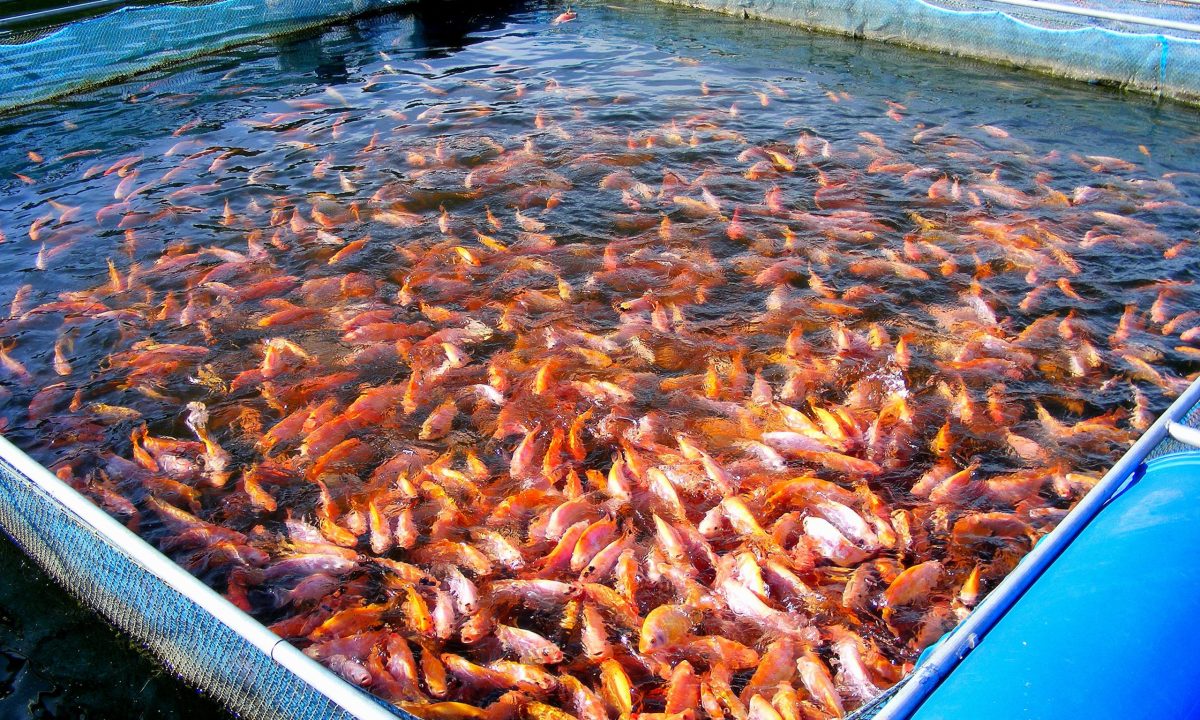
In modern aquaculture, especially in Recirculating Aquaculture Systems (RAS), biological filtration is not optional — it is the backbone of the entire operation.
Fish don’t die because of lack of feeding.
They die because of ammonia accumulation and unstable water quality.
This is where Moving Bed Biofilm Reactor (MBBR) media becomes a critical component — not just as a filter, but as a biological stability engine.
1. The Real Problem in Aquaculture: Ammonia, Not Solids
Most beginners focus on solid removal.
That’s a mistake.
In RAS systems:
- Fish continuously excrete ammonia (NH₃/NH₄⁺)
- Even low concentrations are toxic
- Accumulation leads to stress, disease, and mortality
Mechanical filtration removes solids — but does nothing for dissolved ammonia.
Only biological processes can solve this.
2. How MBBR Media Enables Nitrification
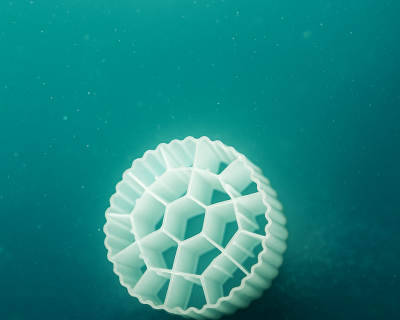
MBBR media provides a protected environment where nitrifying bacteria can grow.
The process:
- Ammonia → Nitrite (Nitrosomonas)
- Nitrite → Nitrate (Nitrobacter)
These bacteria are:
- Slow-growing
- Sensitive to environmental changes
- Easily washed out in suspended systems
MBBR solves this by:
- Providing attached growth surface
- Protecting bacteria inside media structures
- Maintaining stable biomass even under flow variations
3. Why Media Design Matters More in Aquaculture
Aquaculture systems operate continuously and are highly sensitive.
Poor media design leads to:
- Biofilm loss
- Ammonia spikes
- Fish stress and mortality
Critical design factors:
- Protected surface area (not total surface)
- Uniform mixing behavior
- Low clogging risk
In RAS, stability > maximum capacity.
4. Oxygen Demand: The Hidden Constraint
Nitrification consumes significant oxygen:
- ~4.57 g O₂ per g NH₄-N removed
If aeration is insufficient:
- Nitrification slows down
- Ammonia accumulates
- Fish health deteriorates rapidly
MBBR systems must ensure:
- Strong aeration
- Uniform oxygen distribution
- Continuous media movement
5. Biofilm Control = System Control
In aquaculture:
- Too much biofilm → clogging + poor diffusion
- Too little biofilm → insufficient nitrification
MBBR naturally regulates this through:
- Media collisions
- Shear forces
- Hydrodynamic conditions
This creates a self-balancing biological system — if designed correctly.
6. Shock Resistance in Feeding Cycles
Fish feeding creates dynamic loading:
- Sudden ammonia peaks
- Increased oxygen demand
MBBR systems handle this better than many alternatives because:
- Biomass is retained
- Bacteria are not washed out
- Biofilm acts as a buffer
This is critical for:
- Intensive fish farming
- High-density RAS operations
Conclusion
In aquaculture, water quality is everything.
And water quality depends on biological stability, not just filtration equipment.
MBBR media is not just a carrier — it is:
- A biological reactor
- A stability mechanism
- A risk reduction tool
If you underestimate media design, you risk the entire system.
info@enkegroup.com
+90 224 251 61 62